Heart Blockage Treatment with EECP Therapy in India
Build Natural Bypasses. No Surgery. No Stents. No Hospitalization.
A heart blockage diagnosis is frightening — especially when the next sentence is "you need bypass surgery" or "we need to put in a stent." But for many patients with coronary artery blockages in India, surgery is not the only option. At FHCC, heart blockage treatment with EECP therapy in India offers a clinically proven, FDA-cleared alternative that works with your body's own biology — stimulating the growth of natural bypass vessels around blocked coronary arteries, improving blood supply to the heart, and relieving symptoms without a single incision, stent, or day in hospital.
Why patients trust FHCC
Fusion Health & Cardiac Care | EECP Treatment Centre in India
FHCC (Fusion Health & Cardiac Care and Medical Research Centre) was established in 2015 with a singular mission: to make advanced, non-surgical cardiac care accessible to every heart patient in India. Founded by Mr. Anil Agarwal, Mrs. Shikha Agarwal, and guided by leading Interventional Cardiologist, FHCC introduced EECP treatment to Mumbai and has since grown into one of India’s most trusted and experienced EECP therapy providers.
Operating from our centres in Borivali West and Thane, and expanding to cities across India, FHCC combines the power of US FDA-approved EECP technology with Ayurvedic cardiac care — offering a holistic, patient-centred approach to heart health that addresses both symptoms and root causes.
Book An Appointment
Appreciate and check your health more often, let us help you do that!
Opening Hours
Explore EECP Treatment Across Indian Cities
Diagnosed with a Heart Blockage? Surgery Is Not Always the First or Only Answer
Every year, millions of Indians receive a heart blockage diagnosis — either through a routine stress test, a CT coronary angiogram, or a conventional angiography following chest pain or a cardiac event. And almost every one of them is told the same thing: “You have a significant blockage. You need an angioplasty and stent, or bypass surgery.”
For many patients, that is the right advice. But for a very large number — particularly those with multiple vessel disease, diffuse blockages not suitable for stenting, high surgical risk due to age or comorbidities, prior procedures that have re-narrowed, or stable symptoms that don’t yet meet the threshold for intervention — there is a safe, evidence-based, and highly effective non-surgical alternative that most patients are never told about.
Heart blockage treatment with EECP therapy in India at FHCC does not dissolve or mechanically remove arterial plaque. What it does is something more sustainable and more biologically elegant: it stimulates your own body to grow new blood vessels around the blocked arteries — creating natural bypass channels that restore blood supply to the heart muscle without any procedure.
This is not a theoretical concept. It is the documented mechanism behind EECP’s FDA clearance, supported by over three decades of clinical evidence, endorsed by the American College of Cardiology and the American Heart Association, and experienced by hundreds of thousands of patients globally — including thousands in India who came to FHCC having been told surgery was their only option, and left with documented improvement in coronary perfusion and symptom relief.
What Is a Heart Blockage and Why Does It Matter?
A heart blockage — medically called coronary artery disease (CAD) — occurs when the coronary arteries, which supply oxygenated blood to the heart muscle, become narrowed or blocked due to the buildup of fatty deposits called plaque. This process, known as atherosclerosis, develops gradually over years or decades, driven by high cholesterol, hypertension, diabetes, smoking, physical inactivity, and genetic predisposition.
As a coronary artery narrows, the heart muscle it supplies receives less oxygenated blood — particularly during exertion, when demand increases. This mismatch between supply and demand is called myocardial ischemia, and its most common symptom is angina — the chest pain, tightness, or breathlessness that occurs during physical activity or stress and is relieved by rest.
Single Vessel Disease
One coronary artery is significantly blocked — most commonly the LAD (left anterior descending artery), which supplies the largest territory of heart muscle and is sometimes called “the widow maker.” Single vessel disease is commonly treated with angioplasty and stenting. However, for patients with stable symptoms, optimal medical therapy and non-surgical options including EECP therapy for heart blockage in India are increasingly recognized as equally valid first-line approaches — particularly in the absence of a large ischemic territory on functional testing.
Double Vessel Disease
Two major coronary arteries are significantly narrowed. Double vessel disease requires careful evaluation — the treatment decision depends on which arteries are involved, the degree of ischemia, the patient’s symptoms, and their overall surgical risk. Many double vessel disease patients who are on medication but remain symptomatic benefit significantly from heart blockage treatment with EECP therapy in India at FHCC — where EECP’s collateral vessel formation can improve perfusion across both affected territories simultaneously, something stenting of one artery cannot achieve.
Triple Vessel Disease
All three major coronary arteries are significantly narrowed. Triple vessel disease is traditionally the primary indication for bypass surgery (CABG). However, many triple vessel disease patients are elderly, have significant comorbidities, or have diffuse disease not anatomically suitable for optimal bypass grafting. For these patients — the “no-option” surgical group — EECP treatment for blocked arteries in India offers one of the few evidence-based non-surgical pathways to symptom relief and functional improvement. FHCC has specific and extensive experience with this patient group.
Left Main Coronary Artery Disease
Significant blockage of the left main coronary artery — which feeds the left anterior descending and circumflex arteries, together supplying the majority of the left ventricle — is traditionally considered a high-priority surgical indication. For patients with left main disease who are not surgical candidates or who have borderline disease managed medically, EECP therapy for heart blockage helps by improving collateral perfusion to the territories at risk — providing functional cardiac protection while the primary disease is managed medically.
Diffuse Coronary Artery Disease
Some patients have coronary artery disease that is spread diffusely throughout the arterial walls — long segments of narrowing rather than discrete focal blockages — rather than localized plaques amenable to stenting or grafting. Diffuse CAD is one of the most underserved conditions in interventional cardiology, because there is often no focal lesion suitable for a stent and no good bypass target. EECP therapy for coronary artery disease in India is specifically designed for this patient group — it does not require a focal target because it stimulates distributed collateral formation throughout the coronary territory, providing relief where surgery literally has no technical option.
How EECP Therapy Builds Natural Bypasses Around Blocked Arteries
The fundamental question patients ask about heart blockage treatment with EECP therapy in India is: how can a non-invasive therapy do what surgery does?
The answer lies in understanding what both bypass surgery and EECP therapy are actually trying to achieve — and recognizing that EECP achieves it through a biologically superior mechanism.
Bypass surgery creates one or a few large conduits — vein or artery grafts — that reroute blood around a specific blockage. It is effective but limited by anatomy: there must be a suitable bypass target, and the graft itself can narrow or occlude over time.
EECP therapy for heart blockage in India stimulates the body to grow its own network of small collateral blood vessels — natural bypasses — distributed across the entire ischemic territory, not limited to a single graft site. This process, called therapeutic angiogenesis, is permanent, not dependent on graft patency, and continues to develop even after the treatment course is completed.
Step 1 — Diastolic Augmentation: Flooding the Coronary Arteries
EECP uses pneumatic cuffs on the calves, thighs, and buttocks — inflating precisely during diastole (the heart’s rest phase) as determined by real-time ECG monitoring. This sequential inflation pushes a high-pressure wave of blood toward the heart, substantially increasing coronary artery perfusion pressure during the exact phase of the cardiac cycle when the coronary arteries are most open and receptive to receiving blood. With each session, the ischemic heart muscle downstream of the blockage receives more oxygenated blood than it has in years.
Step 2 — Endothelial Shear Stress: Triggering the Angiogenic Signal
The high-pressure blood flow waves generated by EECP create fluid shear stress on the endothelium — the inner lining of blood vessels. This mechanical stimulus is the primary biological signal for angiogenesis. In response, the endothelial cells release vascular endothelial growth factor (VEGF), basic fibroblast growth factor (bFGF), and other angiogenic cytokines — the molecular signals that direct the growth of new blood vessels into ischemic territories.
Step 3 — Collateral Vessel Formation: Building the Natural Bypass Network
Over 35 sessions of EECP therapy for heart blockage, the sustained angiogenic signaling drives the progressive formation of new collateral blood vessels — small arterial channels that grow around and beyond the blocked segments, establishing alternative supply routes to the deprived heart muscle. Unlike surgical grafts, these collateral vessels are native — built from the body’s own vascular tissue, integrated into the existing coronary architecture, and capable of self-regulation in response to the heart’s changing demands. Nuclear perfusion scans (MIBI) and myocardial perfusion imaging performed before and after EECP courses consistently demonstrate improved perfusion in previously ischemic territories — objective evidence of successful collateral formation.
Step 4 — Endothelial Repair Across the Coronary Vasculature
Beyond the blocked segments, the entire coronary vasculature in patients with coronary artery disease is affected by endothelial dysfunction — the blood vessel lining has reduced capacity to produce nitric oxide, the primary vasodilator that maintains healthy coronary tone. This diffuse endothelial dysfunction means the heart’s blood supply is compromised not just at the site of visible blockages but throughout the arterial tree. EECP therapy for coronary artery disease in India restores nitric oxide production across the entire endothelium — improving the vascular health of the whole coronary system, not just the territory of the most visible lesion. This systemic endothelial repair reduces the inflammatory and oxidative environment that causes plaques to rupture and cause heart attacks.
Step 5 — Afterload Reduction: Less Work Through the Blockage
When EECP cuffs deflate just before systole, they create an acute reduction in aortic resistance — the resistance the heart pumps against. This afterload reduction means that even through a narrowed artery, the heart achieves better net coronary flow because the pressure gradient across the stenosis is more favorable. Over 35 sessions, this consistent afterload optimization, combined with collateral formation, produces substantial improvement in the effective coronary perfusion of ischemic territories.
Heart Blockage Treatment: EECP Therapy vs. Angioplasty vs. Bypass Surgery — An Honest Comparison
Non-surgical heart blockage treatment in India with EECP is not appropriate for every patient. Angioplasty and bypass surgery are life-saving procedures and the right first choice in certain clinical scenarios — particularly for patients with unstable symptoms, large areas of ischemia, left main disease with preserved surgical risk, or acute coronary syndromes. FHCC cardiologists make this clear. But for the millions of Indian patients with stable coronary artery disease, multiple vessel involvement, diffuse disease, high surgical risk, or post-procedural recurrent symptoms, the comparison looks very different.
EECP Therapy at FHCC — Heart Blockage Treatment Without Surgery: Completely non-invasive — no cuts, no catheters, no anesthesia, no hospital admission. Stimulates natural bypass vessel formation distributed across the entire ischemic territory. Improves endothelial health throughout the coronary vasculature — reducing recurrence risk systemically. No risk of procedural complications (stroke, bleeding, contrast nephropathy, infection). No restenosis — collateral vessels, unlike stents, do not re-narrow. Suitable for diffuse multi-vessel disease and patients with no good stent or bypass target. Suitable for post-angioplasty and post-bypass patients with recurrent symptoms. 35 sessions over 7 weeks — no recovery period, normal daily activities throughout. Benefits lasting 3–5 years. Fraction of the cost of surgical intervention.
Angioplasty with Stenting (PCI): Catheter-based — invasive but minimally so. Addresses one or a few focal blockages directly. Appropriate for unstable symptoms, acute MI, or large proximal ischemic lesions. Restenosis risk — 10–30% of stents re-narrow within 1–3 years depending on vessel and stent type. Requires dual antiplatelet therapy for 6–12 months with associated bleeding risk. Not technically feasible for diffuse or heavily calcified disease. Does not treat non-culprit vessel disease or improve systemic endothelial function. Does not stimulate collateral formation.
Bypass Surgery (CABG): Open-heart surgery under general anesthesia — major procedure. 5–7 days hospital admission. 8–12 weeks recovery. Appropriate for triple vessel disease, left main disease, or failed PCI in suitable surgical candidates. Graft occlusion risk — approximately 10–15% of saphenous vein grafts occlude within 1 year; 50% within 10 years. Not technically feasible for diffuse disease with no good target vessel. Re-operation for recurrent disease carries substantially higher risk.
The critical insight for patients with stable coronary artery disease, multi-vessel involvement, diffuse disease, or post-procedural recurrent symptoms is this: EECP therapy for heart blockage in India does not compete with PCI or CABG where those procedures are clearly indicated on clinical grounds. But for a very substantial proportion of the patients in India who carry a heart blockage diagnosis, EECP is not just “an alternative” — for their specific coronary anatomy and risk profile, it is the superior option.
Which Heart Blockage Patients Benefit Most from EECP Therapy at FHCC?
Heart blockage treatment with EECP therapy in India at FHCC is most appropriate for:
Patients with stable angina from single, double, or triple vessel coronary artery disease who are on medication but still have chest pain or exercise limitation — and who want to improve coronary blood supply without a procedure.
Patients with multi-vessel or diffuse coronary artery disease that is not suitable for complete revascularization by stenting or bypass — where not all diseased vessels can be treated surgically, and EECP provides distributed collateral formation across multiple territories simultaneously.
Patients who have been told they have a heart blockage but are not yet symptomatic enough to meet current intervention thresholds — and who want an active, evidence-based approach to improving coronary perfusion and reducing progression risk rather than simply waiting.
Patients who have already had angioplasty or bypass surgery and experience recurrent chest pain — either from in-stent restenosis, graft occlusion, or progression of disease in other vessels — where repeat intervention carries higher risk or is not technically feasible.
Patients who are high-risk surgical candidates due to age, diabetes, chronic kidney disease, chronic lung disease, prior stroke, or other comorbidities that make angioplasty or bypass surgery disproportionately risky relative to their stable symptoms.
Patients who want a second opinion before committing to bypass surgery or multiple stenting procedures, and wish to explore whether non-surgical coronary artery blockage treatment in India can achieve adequate symptom relief.
Patients with post-stent angina — chest pain that persists despite a successfully placed stent, often from microvascular disease, vasospasm, or stent undersizing — where EECP’s endothelial and microvascular effects address the residual ischemic substrate.
Patients with diabetes and coronary artery disease — a combination particularly common in India — where EECP’s improvement of endothelial function and microvascular health addresses the diffuse small vessel disease that makes conventional revascularization less effective.
Who Needs to Be Evaluated Before Starting (H3) Patients with unstable angina — chest pain at rest or rapidly worsening — require urgent cardiology evaluation before EECP begins, as active unstable symptoms may require immediate intervention. Our FHCC cardiologist assesses every patient’s clinical status carefully at the initial consultation. Patients with recent acute coronary syndrome are typically assessed for acute intervention first and considered for EECP-based rehabilitation once stabilized.
How FHCC Evaluates and Plans Heart Blockage Treatment with EECP Therapy
Effective heart blockage treatment with EECP therapy in India begins with a precise understanding of your specific coronary anatomy, functional ischemic burden, and clinical risk profile. At FHCC, we do not start EECP therapy without a thorough cardiology evaluation.
Our pre-treatment assessment includes a detailed review of your coronary angiogram report — identifying which arteries are blocked, the degree and distribution of stenosis, and whether the anatomy is suitable for stenting or bypass. We assess your functional ischemic burden — how much heart muscle is actually affected — through echocardiography, stress testing (treadmill test or stress echo), and where available, nuclear perfusion imaging (MIBI scan). We evaluate your current symptom severity and NYHA / CCS functional class, review all existing cardiac medications and optimize where appropriate, assess for modifiable cardiovascular risk factors contributing to ongoing plaque progression, and screen for any contraindications to EECP therapy.
The result of this evaluation is not just a decision to proceed with EECP — it is a complete, individualized treatment plan: which blocked artery territories will benefit most from EECP’s collateral formation, what symptom improvements are realistic for your specific coronary profile, how EECP fits alongside your current medication regimen, and what the post-course assessment will measure to document objective improvement.
We also provide a straightforward second opinion on whether surgery or stenting is genuinely necessary for your specific situation. If it is — we will tell you. FHCC’s value to patients is honest, evidence-based cardiology, not selling EECP to patients who need a different intervention.
The Clinical Evidence for EECP in Coronary Artery Disease and Heart Blockage
EECP therapy for heart blockage is not experimental. It is supported by over 30 years of clinical evidence, multiple randomized controlled trials, and one of the largest non-invasive cardiac therapy registries in the world.
The International EECP Patient Registry (IEPR) — enrolling thousands of patients with coronary artery disease across multiple centers — consistently documents that 75–80% of patients completing EECP therapy report significant reduction in angina frequency and improved exercise tolerance, with benefits sustained at 6 and 12-month follow-up.
Nuclear perfusion imaging studies in CAD patients before and after EECP therapy demonstrate objective improvement in myocardial perfusion in previously ischemic territories — direct evidence of functional collateral vessel formation, not just symptom reporting.
Echocardiographic studies document recovery of wall motion abnormalities in ischemic segments following EECP, confirming improved contractile function in areas of hibernating myocardium — objective evidence that the collateral circulation formed during EECP is delivering functional blood flow to previously compromised heart muscle.
The ACC/AHA Stable Ischemic Heart Disease Guidelines include EECP as an option for patients with refractory symptoms not suitable for revascularization. The European Society of Cardiology stable angina guidelines similarly recognize EECP as a valid treatment modality.
Multiple studies specifically in multi-vessel coronary artery disease — the most common indication for EECP at FHCC — demonstrate that EECP’s diffuse collateral stimulation provides functional benefit equivalent to incomplete revascularization, with the added advantage of improving the entire coronary endothelium rather than treating a single lesion.
At FHCC, our protocols follow the international EECP evidence base precisely — 35 sessions of 60 minutes each over 7 weeks, with certified equipment and calibrated pressure settings that replicate the hemodynamic parameters studied in clinical trials.
Your Heart Blockage Treatment Journey with EECP Therapy at FHCC
Step 1 — Consultation and Angiogram Review Bring your coronary angiogram report, CT angiography results, stress test, echocardiogram, and current medication list. Your FHCC cardiologist reviews your complete coronary anatomy and functional status, gives an honest assessment of whether EECP, surgery, or combined management is right for you, and designs your personalized treatment plan.
Step 2 — Functional Baseline Assessment Before session one: CCS angina class scoring, stress test (where not recently performed), echocardiography for wall motion and ejection fraction, and nuclear perfusion imaging review where available. This “before” picture enables objective documentation of your improvement.
Step 3 — 35 EECP Sessions Over 7 Weeks Five one-hour sessions per week. Non-invasive, painless, non-strenuous. You lie on a padded table while cuffs on your calves, thighs, and buttocks inflate and deflate in precise synchrony with your heartbeat. You read, rest, or listen to music. You leave immediately after and continue your day. No fasting, no preparation, no recovery period needed. Most patients with coronary artery blockages notice improvement in chest pain frequency and walking tolerance within the first 2–3 weeks of non-surgical heart blockage treatment with EECP.
Step 4 — Mid-Course Review Cardiologist review at session 17–18. Symptom reassessment, medication review, and functional progress evaluation. Plan optimized for the second half of the course.
Step 5 — Post-Course Assessment Repeat stress test and echocardiogram. CCS angina class re-scoring. Where available, repeat nuclear perfusion imaging to document objective perfusion improvement. Updated cardiovascular risk assessment. Long-term management plan including medication optimization and risk factor control.
Step 6 — Long-Term Follow-Up Annual cardiac reviews at FHCC. Ongoing risk factor management. Booster EECP course available when needed — typically 3–5 years after the initial course if symptoms begin to return. Continuous cardiac protection partnership.
What EECP Therapy Achieves for Heart Blockage Patients
Patients completing heart blockage treatment with EECP therapy at FHCC consistently experience:
Significant reduction in angina frequency — moving from daily or near-daily chest pain episodes to weekly or monthly. Most patients achieve at least one CCS class improvement; many achieve two-class improvement (e.g., from Class III to Class I).
Improved exercise tolerance — the ability to walk further, climb stairs, and engage in physical activity that was previously blocked by chest pain or breathlessness. EECP-based coronary artery disease treatment in India typically produces improvements of 50–100% in walking distance or exercise duration on stress testing.
Reduced need for fast-acting nitrates — nitroglycerin sprays or tablets that stable angina patients carry for episodes. As collateral vessels form and ischemia reduces, the frequency of nitrate use decreases — a practical marker of functional improvement.
Improved coronary perfusion on imaging — documented in nuclear perfusion (MIBI) scans before and after EECP. Previously ischemic territories show improved tracer uptake — objective, imaging-confirmed evidence of better blood supply to the heart muscle.
Reduced recurrence risk — through systemic endothelial repair, reduced coronary vascular inflammation, and improved plaque stability across the entire coronary tree. EECP addresses the biological substrate of recurrent cardiac events, not just the symptomatic consequences of existing blockages.
Benefits lasting 3–5 years — durable due to the structural nature of collateral vessel formation. Collateral vessels, once grown, do not dissolve. They remain and continue to supply the ischemic territories. Benefits are maintained as long as cardiovascular risk factors are well managed.
Why Patients Choose FHCC for Heart Blockage Treatment with EECP Therapy in India
Genuine Clinical Expertise in Complex Coronary Disease
FHCC’s cardiologists are specifically experienced in applying EECP to the most challenging coronary anatomy scenarios — triple vessel disease, diffuse CAD, post-bypass recurrent blockage, and the high-risk surgical patient. This is not general EECP wellness therapy. It is precision non-surgical coronary artery disease management, applied with the same clinical rigor as interventional cardiology.
We Read Your Angiogram — Not Just Your Symptoms
Many EECP providers in India begin therapy based on symptoms alone. At FHCC, we review your coronary anatomy in detail — which arteries are blocked, how severely, whether functional ischemia testing confirms the hemodynamic significance of the lesions, and which territories will benefit most from collateral stimulation. This anatomical and functional precision produces better-targeted and better-documented outcomes.
Honest Second Opinions on Surgery
If bypass surgery or angioplasty is the right call for your specific anatomy and clinical status, our cardiologist will tell you clearly — and explain why. We do not recommend EECP to patients for whom a surgical intervention is genuinely superior. Our reputation is built on honest, evidence-based cardiac advice — not filling EECP appointment slots.
Objective Outcome Measurement
Post-course stress testing, echocardiography, and where available nuclear perfusion imaging document your improvement in objective terms you and your family can see — and that your referring cardiologist can act on. We don’t rely on symptom questionnaires alone.
Certified Equipment and Proper Protocols
We use internationally certified EECP systems. The precision of ECG synchronization and cuff pressure calibration determines the quality of diastolic augmentation — which directly determines how well collateral formation is stimulated. Equipment quality is non-negotiable in EECP therapy for heart blockage, and we do not compromise on it.
Cardiologists, EECP experts, nutrition & rehab professionals dedicated to your heart health.
Not Sure Which Heart Treatment Is Right For You?
Talk directly with our cardiac care team and get personalised guidance based on your symptoms and reports.
Book AppointmentMeet The Specialists Behind FHCC Care
Experienced doctors, therapists, nutritionists & healthcare professionals committed to delivering advanced non-invasive cardiac care with compassion.
 Leadership
Dr. Shikha Agarwal
Administrator
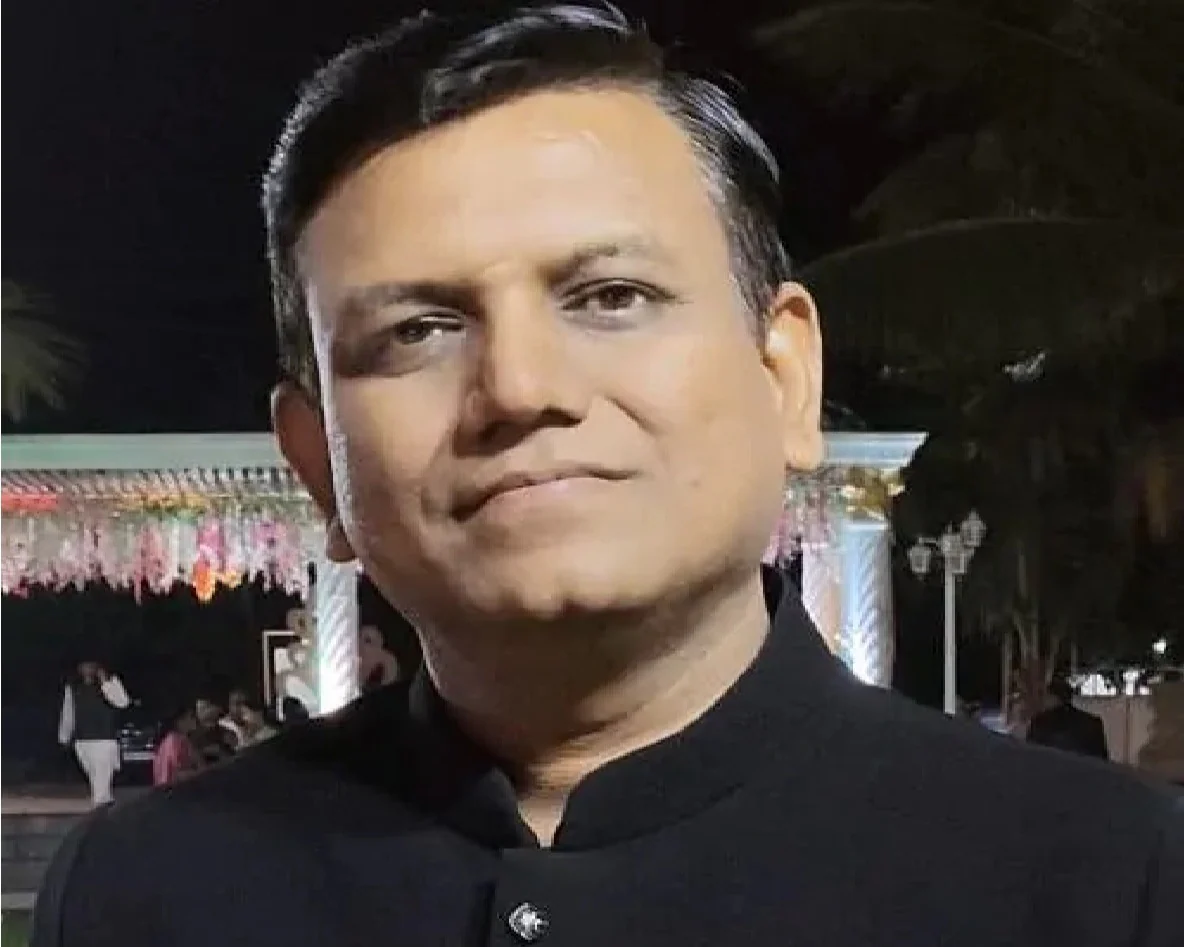 Founder
Anil Agarwal
Founder
 Doctor
Dr. Kiran Jaiswal
BAMS, CCH, CGO
 Cardiology
Dr. Sabiha Kasim Shaikh
BHMS – Non-Invasive Cardiology
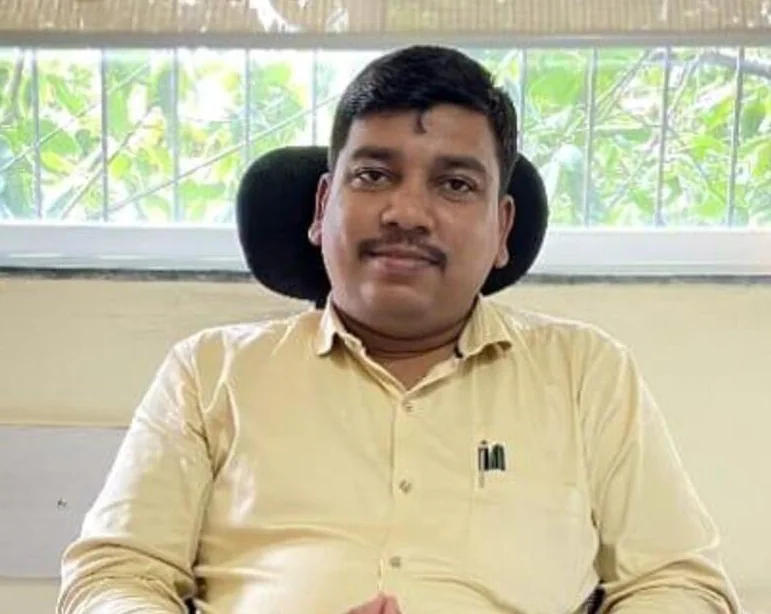 Doctor
Dr. Akshay Thakur
BAMS
 Nutrition
Mr. Vivek Singh Sengar
Clinical Nutritionist & Health Expert
 Specialist
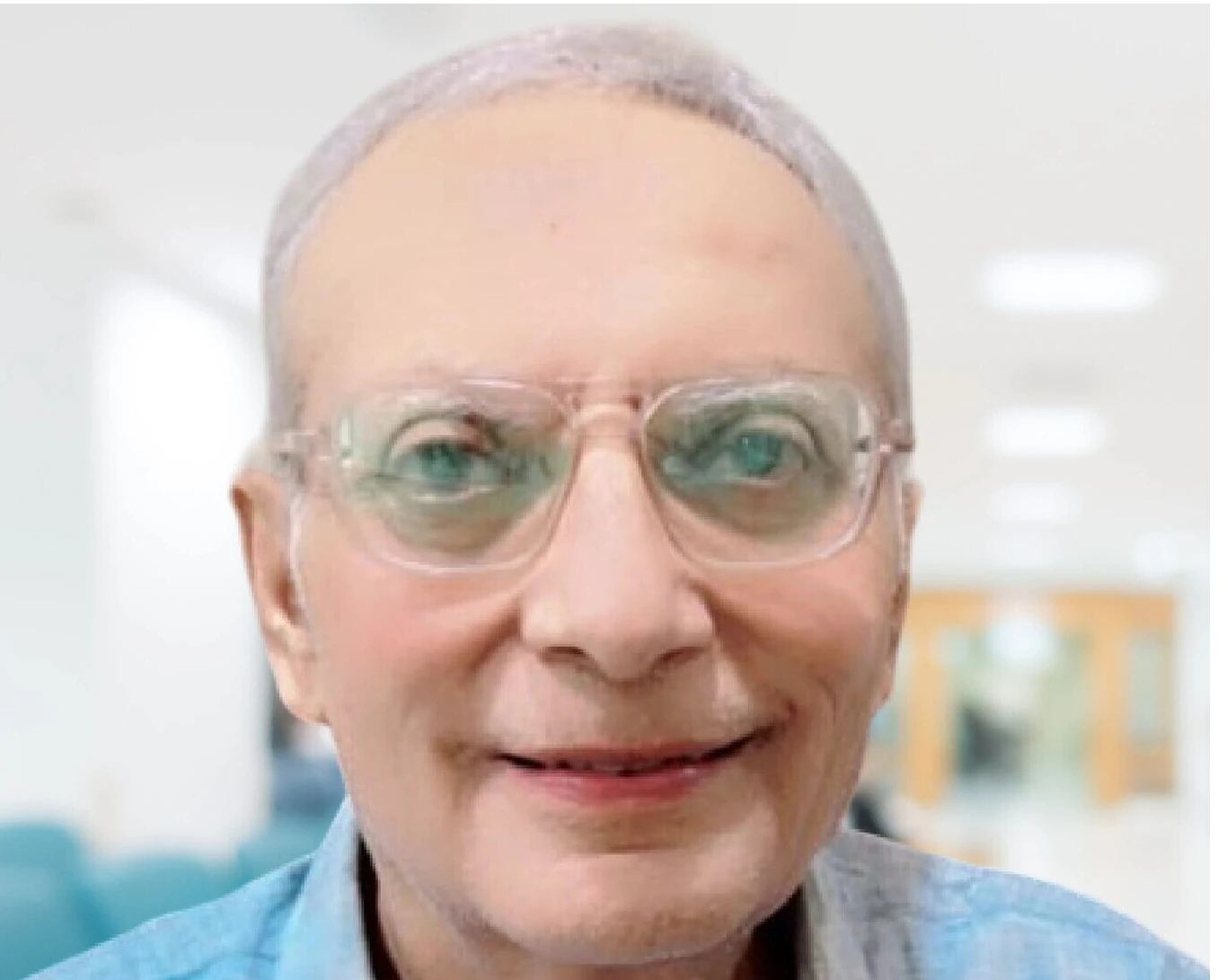
Dr. Sudhir Bagga
MBBS, MD, ABIHM
 Medicine
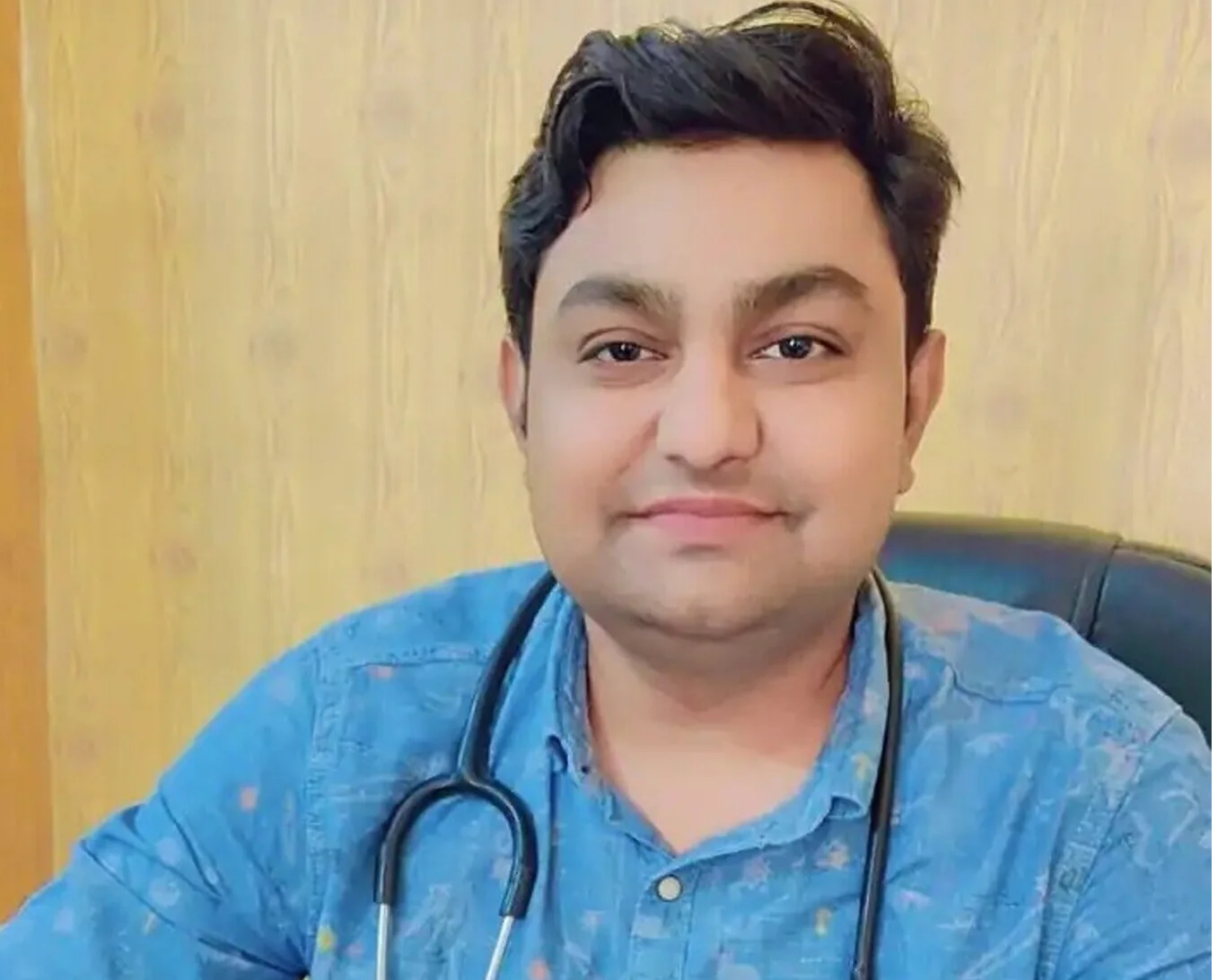
Dr. Satendra Kumar
MD Medicine, FICC, ACCD-EASD
 Therapy
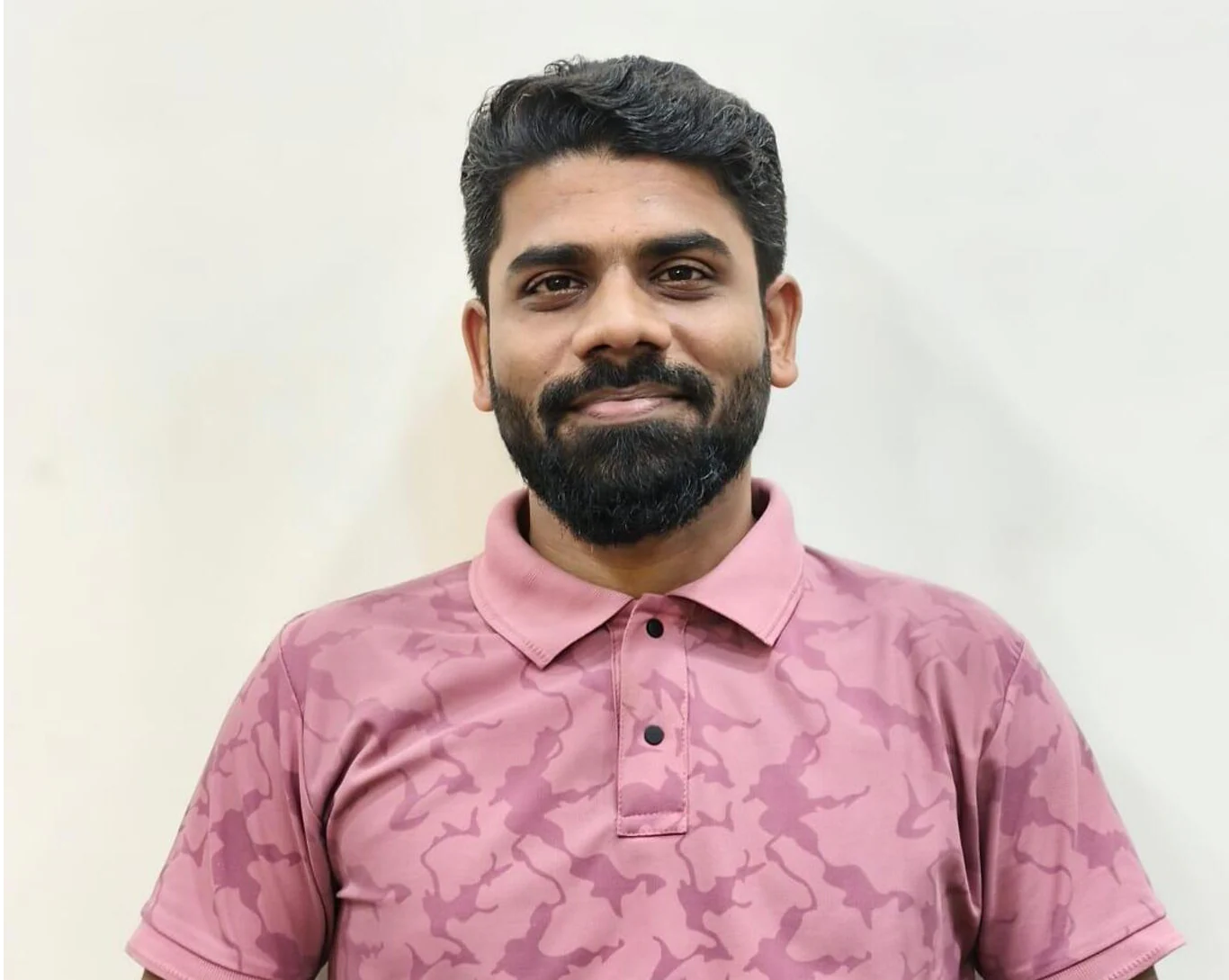
Mr. Amar Vishwasrao
Ayurvedic Panchkarma Therapist
 Critical Care
Miss Sakshi Gamare
Staff Nurse – Critical & Cardiac Care
 Media
Media
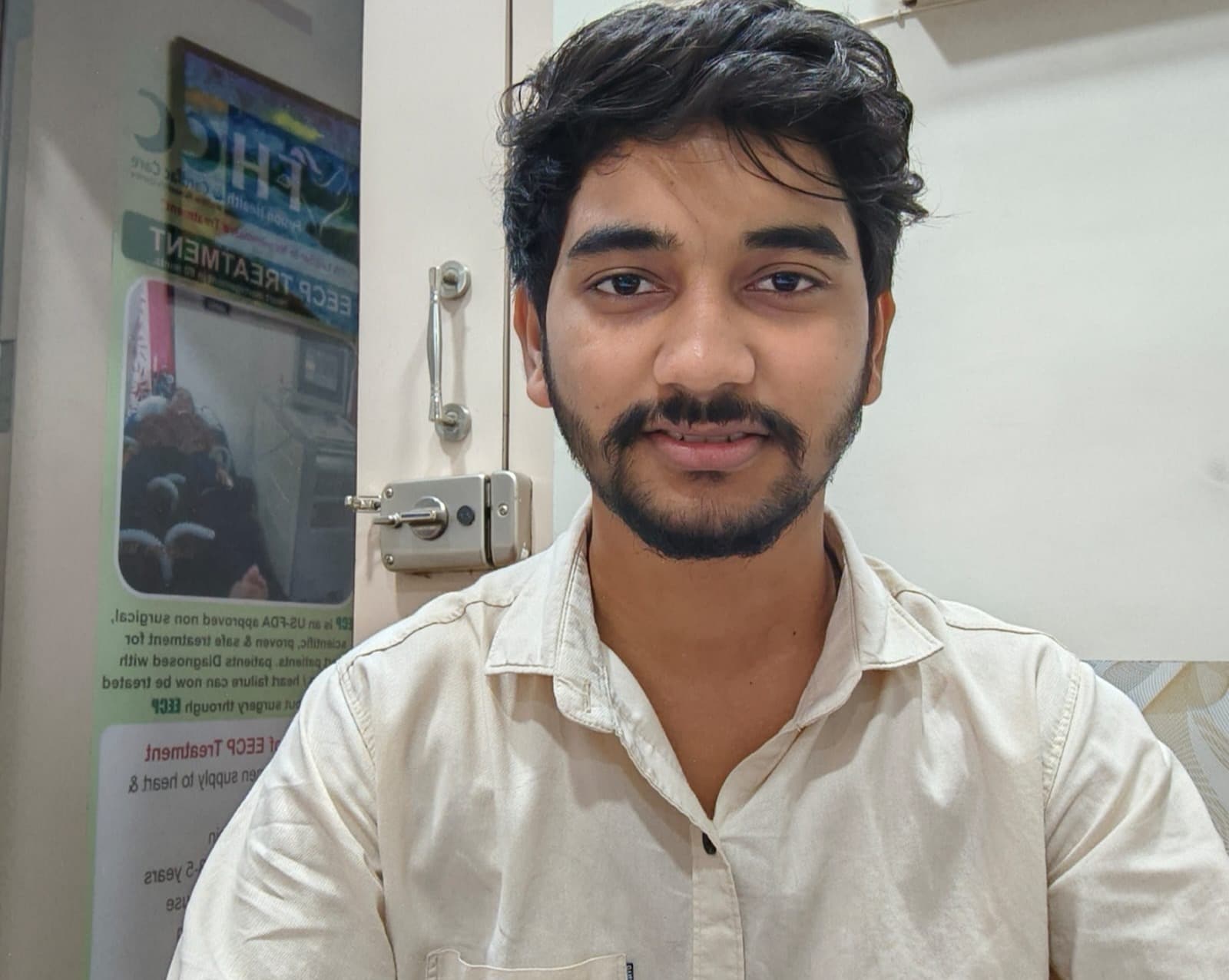
Mr. Kunjal Tambade
Digital Media Executive – Healthcare
 Wellness
Mrs. Vedika Dike
Ayurvedic Therapist