Hypertension Treatment with EECP Therapy in India
Lower Your Blood Pressure. Protect Your Heart. No Surgery.
Over 220 million Indians live with high blood pressure. Most are on medication that controls the number — but does not fix the underlying problem. Blood vessels remain damaged, stiff, and inflamed. The heart keeps working harder than it should. And the risk of heart attack, stroke, and heart failure quietly accumulates. At FHCC, our EECP therapy program takes a fundamentally different approach: it repairs the vascular biology that drives high blood pressure in the first place, producing better, more sustained BP control — and a cardiovascular system that is genuinely healthier, not just chemically suppressed.
Why patients trust FHCC
Fusion Health & Cardiac Care | EECP Treatment Centre in India
FHCC (Fusion Health & Cardiac Care and Medical Research Centre) was established in 2015 with a singular mission: to make advanced, non-surgical cardiac care accessible to every heart patient in India. Founded by Mr. Anil Agarwal, Mrs. Shikha Agarwal, and guided by leading Interventional Cardiologist, FHCC introduced EECP treatment to Mumbai and has since grown into one of India’s most trusted and experienced EECP therapy providers.
Operating from our centres in Borivali West and Thane, and expanding to cities across India, FHCC combines the power of US FDA-approved EECP technology with Ayurvedic cardiac care — offering a holistic, patient-centred approach to heart health that addresses both symptoms and root causes.
Book An Appointment
Appreciate and check your health more often, let us help you do that!
Opening Hours
Explore EECP Treatment Across Indian Cities
Your Medication Is Controlling Your Blood Pressure. It Is Not Fixing Your Blood Vessels.
This is the gap that most hypertension patients — and many doctors — have never been told about.
Antihypertensive medications are effective at suppressing blood pressure by overriding specific physiological mechanisms: ACE inhibitors block a hormone that constricts blood vessels; beta-blockers slow the heart rate; calcium channel blockers relax the arterial walls; diuretics reduce fluid volume. They do this reliably, as long as you keep taking them.
But they do not repair the endothelium — the inner lining of your arteries that produces nitric oxide and regulates vascular tone. They do not reverse the arterial stiffness that develops over years of elevated pressure, forcing the systolic number up with each passing decade. They do not calm the overactive sympathetic nervous system that keeps your blood pressure elevated even at rest, even on medication. They do not restore the natural elasticity of your aorta and large vessels that was lost as your hypertension progressed.
Stop the medication tomorrow, and the blood pressure comes back — because the underlying vascular disease is still there.
For millions of patients, this manifests as a frustrating and dangerous cycle: escalating medication doses, multiple drug combinations, persistent side effects, and blood pressure that is never quite as well-controlled as it should be. For the 10–15% of hypertensive patients with resistant hypertension — BP above target despite three or more drugs — the ceiling of pharmacological treatment has simply been reached.
EECP therapy works at the level of the vascular biology itself. It stimulates your blood vessels to produce more nitric oxide, to become more elastic, to reduce their resistance to blood flow. These are structural improvements — built into the vessel wall — that persist after the course of therapy ends. Combined with your antihypertensive medications, the result is a significantly more effective, more durable approach to blood pressure management than medication alone can achieve.
What Type of Hypertension Do You Have?
Hypertension is not a single condition. It has distinct subtypes, different underlying drivers, and different implications for treatment. At FHCC, we characterize your specific hypertension before designing your treatment plan — including how and where EECP therapy fits.
Primary (Essential) Hypertension
Accounting for approximately 90–95% of all hypertension diagnoses, primary hypertension develops gradually over many years without a single identifiable cause. It is the product of genetic predisposition combined with modifiable factors: high sodium and low potassium diet, physical inactivity, excess body weight, chronic psychological stress, tobacco use, and aging. The two dominant biological mechanisms are endothelial dysfunction — the blood vessels lose their ability to produce adequate nitric oxide and dilate effectively — and progressive arterial stiffening, which drives the systolic pressure higher as the aorta and large arteries lose their natural elasticity. EECP therapy directly targets both of these mechanisms, making it uniquely well-suited as a complement to medication in primary hypertension management.
Secondary Hypertension
In 5–10% of hypertensive patients, an identifiable underlying cause is responsible for the elevated blood pressure. The most common causes include chronic kidney disease and renal artery stenosis, obstructive sleep apnea (frequently undiagnosed), primary aldosteronism (Conn’s syndrome), thyroid disorders, pheochromocytoma, Cushing’s syndrome, and certain medications including NSAIDs, oral contraceptives, and decongestants. Secondary hypertension is often more severe, more difficult to control with standard medications, and sometimes dramatically improved by treating the underlying cause. At FHCC, our diagnostic workup specifically screens for secondary causes — because missing them means treating the wrong problem. Where a secondary cause is identified, we manage or refer appropriately before considering EECP therapy.
Resistant Hypertension
Resistant hypertension is defined as blood pressure that remains above the target level — typically 130/80 mmHg — despite being on three or more antihypertensive medications at optimal doses, one of which is a diuretic. It affects an estimated 10–15% of all hypertensive patients and carries a significantly elevated risk of heart attack, stroke, heart failure, and kidney failure compared to well-controlled hypertension. Resistant hypertension is one of the most compelling indications for EECP therapy at FHCC. EECP’s ability to reduce sympathetic nervous system overactivation — a primary driver of resistance to antihypertensive drugs — and to restore endothelial nitric oxide production provides a mechanism of action that no existing medication class replicates. For patients who have been on three, four, or five antihypertensive drugs and still cannot reach target BP, EECP offers a genuinely additive therapeutic pathway.
Isolated Systolic Hypertension
Common in adults over 60, isolated systolic hypertension is characterized by an elevated systolic reading (above 140 mmHg) with a normal or low diastolic. It is primarily caused by the progressive stiffening of the aorta and large arteries that occurs with aging — the vessels lose their elasticity and can no longer absorb the pressure wave from each heartbeat as effectively. This form of hypertension is strongly associated with stroke and heart failure. EECP therapy improves large artery compliance — reducing aortic stiffness and allowing better pressure wave absorption — making it particularly relevant for isolated systolic hypertension in older adults.
Hypertension with Coexisting Cardiovascular Disease
Many patients present to FHCC with hypertension alongside established coronary artery disease, angina, prior heart attack, or heart failure. In these patients, poorly controlled blood pressure compounds the risk to an already compromised heart: it accelerates atherosclerosis, worsens myocardial ischemia, and increases the likelihood of further cardiac events. EECP therapy is particularly valuable in this patient group because it addresses both conditions simultaneously — improving coronary blood flow and cardiac function while also repairing the vascular dysfunction driving the hypertension. One treatment course delivering benefit across multiple cardiovascular problems.
How EECP Therapy Lowers Blood Pressure and Repairs Your Blood Vessels
EECP (Enhanced External Counterpulsation) uses pneumatic cuffs wrapped around the calves, thighs, and buttocks, connected to a computer system that reads your ECG in real time. The cuffs inflate and deflate in precise synchrony with each heartbeat — inflating during diastole (the heart’s rest phase) and deflating just before the next systole (the pumping phase).
Over a complete course of 35 sessions, this creates a cascade of biological responses in the cardiovascular system that progressively repair vascular function and reduce blood pressure.
Mechanism 1: Restored Endothelial Function and Nitric Oxide Production
The repeated high-pressure blood flow waves generated by EECP produce a biological stimulus called fluid shear stress on the endothelium — the thin inner lining of every blood vessel. Fluid shear stress is the same signal that vigorous aerobic exercise generates in the blood vessel walls.
The endothelium responds to this stimulus by upregulating the enzyme nitric oxide synthase (eNOS) and substantially increasing the production of nitric oxide (NO) — the primary molecule responsible for blood vessel relaxation and dilation. In hypertension, endothelial dysfunction means the vessels are chronically under-producing nitric oxide and staying inappropriately constricted. EECP therapy restores this production, progressively improving the vessels’ natural ability to dilate in response to blood flow demand and reducing peripheral vascular resistance — the primary determinant of diastolic blood pressure.
Mechanism 2: Reduced Arterial Stiffness
Large artery stiffness — particularly of the aorta — is the dominant mechanism driving isolated systolic hypertension and a major contributor to cardiovascular risk in all hypertensive patients. Stiffer arteries cannot absorb the pressure wave from each heartbeat as effectively, forcing the systolic reading higher. They also reflect pressure waves back toward the heart earlier in the cardiac cycle, increasing cardiac workload.
EECP therapy improves arterial compliance — the elasticity and distensibility of large arteries — through its endothelial and anti-inflammatory effects. Over the course of treatment, the aorta and major vessels become progressively less stiff, better able to absorb and buffer the pressure from each heartbeat, and the systolic reading reduces accordingly.
Mechanism 3: Sympathetic Nervous System Modulation
Overactivation of the sympathetic nervous system — the “fight or flight” system — is one of the most important and least-addressed drivers of resistant hypertension. Chronic sympathetic hyperactivation maintains elevated heart rate, promotes renal sodium retention, and keeps peripheral blood vessels in a state of persistent constriction. It is a major reason why some patients cannot achieve BP control despite four or five antihypertensive drugs.
EECP therapy has been demonstrated in clinical research to reduce sympathetic nervous system tone — measurably lowering resting heart rate, reducing plasma norepinephrine (the primary sympathetic neurotransmitter), and reducing the peripheral vasoconstriction that maintains elevated BP at rest. This sympatholytic effect is one of the primary mechanisms through which EECP specifically benefits resistant hypertension patients.
Mechanism 4: Reduced Vascular Inflammation
Hypertension is increasingly understood as an inflammatory condition. Elevated blood pressure causes chronic low-grade vascular inflammation — the release of inflammatory cytokines (including CRP, IL-6, TNF-α) that damage endothelial cells, promote further arterial stiffening, and accelerate atherosclerosis. This creates a self-perpetuating cycle where hypertension causes vascular inflammation and vascular inflammation worsens hypertension.
EECP therapy has been shown to reduce circulating inflammatory markers, breaking this cycle. The anti-inflammatory effects of EECP contribute to healthier vessel walls, better endothelial function, and progressively lower blood pressure over the treatment course and beyond.
Mechanism 5: Improved Renal Perfusion
The kidneys play a central role in blood pressure regulation — they control fluid balance, sodium excretion, and renin-angiotensin system activity. Reduced renal perfusion — common in hypertension with significant vascular disease — activates the renin-angiotensin-aldosterone system (RAAS), increasing sodium retention and driving blood pressure higher.
EECP therapy improves renal blood flow, supporting more effective sodium excretion and reducing the fluid retention component of hypertension. This drug-free mechanism produces an effect on fluid balance similar in concept to diuretic therapy — without the associated electrolyte derangements.
What a Session Feels Like
You arrive at FHCC in comfortable clothing. ECG leads are attached for real-time heart monitoring and pneumatic cuffs are positioned around your calves, thighs, and buttocks. The session begins — cuffs inflate and deflate in rhythm with your heartbeat, creating a firm, rhythmic pressure sensation on your legs. It is painless and non-strenuous. Most patients read, listen to music, or rest. Each session is 60 minutes. You leave immediately afterward and resume normal activities. No fasting, no anaesthesia, no recovery.
The course is 35 sessions over 7 weeks — five days per week. Most patients with hypertension notice measurable BP improvement within the first 2–3 weeks, with maximum benefit achieved at the end of the full course and in the weeks following as the vascular changes consolidate.
Is EECP Therapy the Right Treatment for Your Hypertension?
EECP therapy at FHCC is appropriate for a broad range of hypertensive patients. You are likely a strong candidate if one or more of the following applies:
You are on antihypertensive medication but cannot achieve consistent target blood pressure, and you want to address the underlying vascular dysfunction contributing to your poor control.
You have resistant hypertension — on three or more antihypertensive drugs and still not at target — and are looking for a proven non-pharmacological approach that works through a mechanism none of your current medications address.
You have hypertension with coexisting coronary artery disease, angina, or heart failure, and want a single integrated treatment that addresses all your cardiovascular conditions rather than treating each in isolation.
You have established target organ damage — left ventricular hypertrophy on echocardiogram, early kidney impairment, diastolic dysfunction — and need a treatment approach that actively works to reverse or slow that damage, not just control a number.
You are experiencing significant side effects from multiple antihypertensive medications and want to work toward a lower medication burden without sacrificing blood pressure control.
You are an older adult with isolated systolic hypertension driven by arterial stiffness, where standard medications are often less effective.
You have hypertension and diabetes with complex cardiovascular risk, where comprehensive vascular health improvement is a clinical priority.
You want the lifestyle changes you are making — dietary improvement, weight loss, exercise — to deliver their maximum benefit, supported by a biological reset of your vascular function.
Who May Not Be Suitable
Blood pressure must be reasonably stabilized before EECP therapy begins — we require a baseline reading below 160/100 mmHg. Patients with hypertensive crisis or uncontrolled severe hypertension are medically stabilized first. Other contraindications include decompensated heart failure with acute pulmonary oedema, significant aortic valve regurgitation, active deep vein thrombosis, active bleeding disorders, and certain cardiac arrhythmias. Our pre-treatment consultation screens for all of these. If a contraindication exists, we will advise you clearly and help determine the most appropriate next step.
The FHCC Approach: EECP Therapy as a Complement to Antihypertensive Medication
EECP therapy at FHCC is not positioned as a replacement for your blood pressure medication. It is designed to work alongside it — doing what medication cannot — to deliver a significantly more complete and durable approach to hypertension management.
Here is how to understand the difference in practical terms:
Your antihypertensive medication stabilizes blood pressure by overriding specific physiological triggers: blocking a receptor, suppressing a hormone, increasing urinary output. It is effective and essential. But it does not repair the endothelium. It does not reverse arterial stiffness. It does not reduce sympathetic overactivation at the nervous system level. It requires daily compliance to maintain its effect. The moment you stop, the vascular disease is still there — the blood pressure returns.
EECP therapy repairs the vascular dysfunction driving your hypertension. Improved nitric oxide production. Reduced arterial stiffness. Lower sympathetic tone. Better renal perfusion. These are biological changes built into the vessel wall that persist after the treatment course ends. They give your medication a better environment to work in — meaning better BP control, on the same or potentially lower doses, with a cardiovascular system that is genuinely recovering.
For patients with resistant hypertension specifically, EECP is not just complementary — it is additive in a way that adding a fifth antihypertensive drug is not. It operates through an entirely different physiological mechanism. That is why resistant hypertension patients who have reached the ceiling of drug therapy still respond to EECP.
The goal at FHCC is not to get you off your medication. It is to give your medication the biological support it needs to work better — and over time, under your cardiologist’s supervision, to reassess whether your medication burden can be safely reduced as your vascular health improves.
How FHCC Diagnoses and Manages Hypertension — Beyond a BP Reading
At FHCC, hypertension is treated as the cardiovascular disease it is — not as a number management exercise. Our diagnostic and treatment framework reflects that.
Before recommending EECP therapy, our cardiologist conducts a structured hypertension assessment that goes well beyond a clinic BP reading. We use 24-hour ambulatory blood pressure monitoring (ABPM) — the gold standard for hypertension diagnosis — because a single clinic reading misses white-coat hypertension (falsely elevated in the clinic setting) and masked hypertension (normal in clinic but elevated at home). ABPM gives us the real picture of your BP burden across waking and sleeping hours.
We assess left ventricular hypertrophy (LVH) by echocardiogram. LVH — the thickening of the heart wall in response to years of elevated pressure — is present in a significant proportion of hypertensive patients and is a strong independent predictor of heart failure and cardiac death. Most hypertensive patients have never had an echocardiogram. At FHCC, it is a standard part of the workup. Post-treatment regression of LVH on follow-up echo is one of our primary markers of true treatment success.
We evaluate renal function — creatinine, eGFR, microalbuminuria — to detect early hypertensive kidney damage that is often silent but progressive. We screen for secondary causes of hypertension in patients with resistant or early-onset hypertension, and we calculate the patient’s full 10-year cardiovascular risk to put the BP numbers in proper clinical context.
The result of this workup is not just a diagnosis — it is a complete picture of what your hypertension has done to your cardiovascular system, what risks you carry, and where the priority interventions should be. EECP therapy is then positioned within this complete picture, not applied generically.
Our post-treatment assessment is equally rigorous: repeat echocardiogram to document LVH regression, 24-hour ABPM to confirm real BP improvement (not just clinic readings), renal function recheck, and updated cardiovascular risk calculation. We measure what matters, not just what is easy to measure.
What Your Hypertension Treatment Journey Looks Like
Step 1 — Initial Consultation
Your cardiologist reviews your full hypertension history: duration, current medications, BP records, prior cardiac investigations, symptoms, and cardiovascular risk profile. You receive an honest assessment of your hypertension type, severity, and cardiovascular risk — and a clear recommendation on whether EECP therapy is appropriate for you.
Step 2 — Diagnostic Workup
24-hour ABPM, ECG, echocardiogram, full blood panel (renal function, lipids, HbA1c, thyroid, aldosterone-renin ratio where indicated), and urine microalbumin. Secondary hypertension screening where clinically indicated. This takes place before EECP therapy begins.
Step 3 — Medication Optimization
Where your current antihypertensive regimen is suboptimal — wrong drug class, subtherapeutic doses, or drug interactions — your cardiologist at FHCC will recommend adjustments before or alongside beginning EECP therapy. EECP performs best when medication is properly optimized.
Step 4 — EECP Therapy Course
35 one-hour sessions over 7 weeks, five days per week. You attend at a time that fits your schedule. Each session is comfortable and non-disruptive. You continue all your normal daily activities throughout the course.
Step 5 — Mid-Course Review
Cardiologist review around session 17–18. Blood pressure trend assessment, symptom check, and medication discussion. Plan adjusted where appropriate based on your individual response.
Step 6 — Post-Course Assessment
Repeat echocardiogram for LVH assessment. 24-hour ABPM for true BP confirmation. Renal function panel. Updated cardiovascular risk calculation. Medication review with your cardiologist — including whether a reduction in antihypertensive drugs is now appropriate. Structured long-term cardiac management plan.
Step 7 — Long-Term Follow-Up
Annual cardiovascular reviews at FHCC. Lifestyle support. Booster EECP course if beneficial in future years.
What EECP Therapy Typically Achieves for Hypertensive Patients
Clinical outcomes vary by patient profile, but the following are consistently observed in both published research and FHCC’s patient experience:
Clinically meaningful reductions in both systolic and diastolic blood pressure — typical ranges in published studies are 5–15 mmHg systolic and 3–8 mmHg diastolic after a complete course. For patients with resistant hypertension or significant endothelial dysfunction, reductions can be substantially greater.
Improved blood pressure consistency — more stable readings throughout the day and night, with less morning surge (a period of particularly high cardiovascular risk in hypertensive patients).
Regression of left ventricular hypertrophy — documented by follow-up echocardiography — reflecting genuine reduction in the cardiac consequence of hypertension, not just the number.
Better renal function preservation in patients with early hypertensive kidney impairment.
Improved exercise tolerance and reduced fatigue — particularly relevant for patients with hypertensive heart disease and diastolic dysfunction.
Reduced sympathetic nervous system activity — measurable reductions in resting heart rate and BP variability.
In patients with coexisting angina — simultaneous reduction in chest pain episodes and improved coronary blood flow.
Potential reduction in antihypertensive medication burden under cardiologist supervision, for patients who achieve sustained and stable BP improvement after the course.
Why Patients Choose FHCC for Hypertension Treatment with EECP
We treat hypertension as a cardiovascular disease — not a number to manage
LVH regression, renal function preservation, arterial stiffness reduction, cardiovascular risk trajectory — these are the outcomes that determine whether treatment is actually working. We track and target these, not just BP readings at follow-up appointments.
Diagnostic rigour before treatment
We do not begin EECP therapy without a proper cardiac workup. Every hypertension patient at FHCC receives ABPM, echocardiography, renal assessment, and secondary cause screening as standard. This protects you and ensures EECP therapy is applied to the right patient, at the right time, for the right reasons.
EECP is our core specialty
Our cardiologists, protocols, equipment, and monitoring systems are all built around EECP therapy. We are not a general cardiology clinic offering EECP as one of many services. The focused expertise matters.
Honest, evidence-based clinical counselling
If your hypertension requires a secondary cause to be addressed first — a sleep apnoea referral, a renal artery evaluation, an aldosteronism workup — we will tell you that, because treating it first will deliver better outcomes than EECP alone. We work in your interest, not to fill therapy slots.
Integrated care — not just EECP
Dietary guidance (sodium reduction, DASH framework), structured risk factor management, cardiovascular lifestyle support, and optimized medication are all part of the FHCC hypertension program. EECP works best when the whole picture is managed well. We manage the whole picture.
Your Blood Pressure Medication Is Doing Its Job. Let EECP Do What Medication Cannot.
Millions of Indians have “controlled” blood pressure on medication — and still develop heart failure, left ventricular hypertrophy, kidney impairment, and stroke — because the underlying vascular damage is never addressed. The number is suppressed. The disease is still progressing.
At FHCC, we treat hypertension as the cardiovascular disease it is. Our EECP therapy program repairs your blood vessels, reduces arterial stiffness, calms the sympathetic overactivation that resists medication, and gives your cardiovascular system the biological environment it needs to actually recover.
Come in for a consultation. Bring your BP records, your medication list, your echo if you have one. Our cardiologist will give you an honest, evidence-based assessment — and a plan that goes beyond the next prescription.
Cardiologists, EECP experts, nutrition & rehab professionals dedicated to your heart health.
Not Sure Which Heart Treatment Is Right For You?
Talk directly with our cardiac care team and get personalised guidance based on your symptoms and reports.
Book AppointmentMeet The Specialists Behind FHCC Care
Experienced doctors, therapists, nutritionists & healthcare professionals committed to delivering advanced non-invasive cardiac care with compassion.
 Leadership
Dr. Shikha Agarwal
Administrator
 Founder
Anil Agarwal
Founder
 Doctor
Dr. Kiran Jaiswal
BAMS, CCH, CGO
 Cardiology
Dr. Sabiha Kasim Shaikh
BHMS – Non-Invasive Cardiology
 Doctor
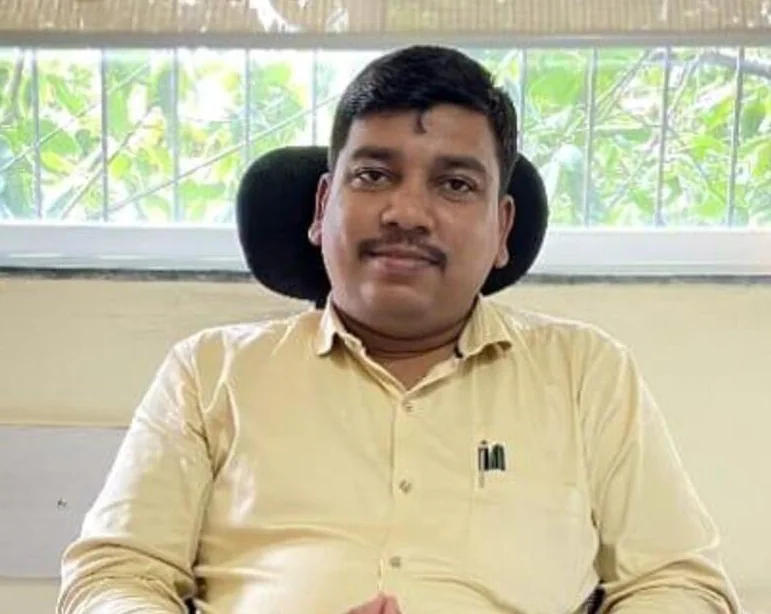
Dr. Akshay Thakur
BAMS
 Nutrition
Mr. Vivek Singh Sengar
Clinical Nutritionist & Health Expert
 Specialist
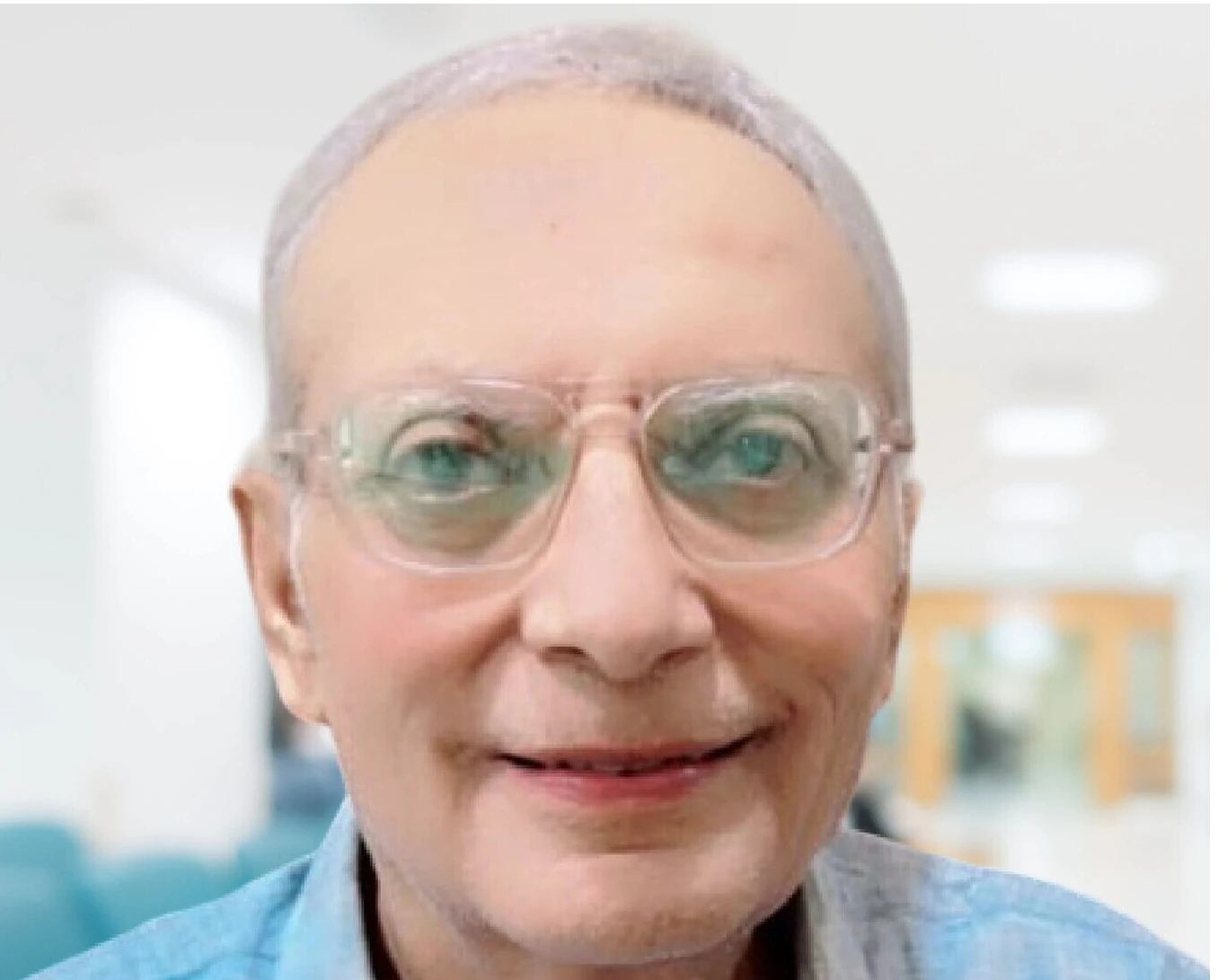
Dr. Sudhir Bagga
MBBS, MD, ABIHM
 Medicine
Dr. Satendra Kumar
MD Medicine, FICC, ACCD-EASD
 Therapy
Mr. Amar Vishwasrao
Ayurvedic Panchkarma Therapist
 Critical Care
Miss Sakshi Gamare
Staff Nurse – Critical & Cardiac Care
 Media
Media
Mr. Kunjal Tambade
Digital Media Executive – Healthcare
 Wellness
Mrs. Vedika Dike
Ayurvedic Therapist