Heart Failure Treatment with EECP Therapy in India
No Surgery. No Hospitalization. Breathe Easier. Live More.
Heart failure does not mean the heart has stopped. It means the heart is not pumping efficiently enough to meet your body's demands — and the result is exhausting: breathlessness at rest, fatigue from walking across a room, swollen ankles, and a life increasingly defined by what you cannot do. At FHCC, our EECP therapy for heart failure in India is a clinically proven, FDA-cleared non-invasive treatment that improves how your heart pumps, reduces breathlessness, increases your exercise capacity, and helps you reclaim the daily activities heart failure has taken away — without surgery, without hospital admission, and without the risks of invasive procedures.
Why patients trust FHCC
Fusion Health & Cardiac Care | EECP Treatment Centre in India
FHCC (Fusion Health & Cardiac Care and Medical Research Centre) was established in 2015 with a singular mission: to make advanced, non-surgical cardiac care accessible to every heart patient in India. Founded by Mr. Anil Agarwal, Mrs. Shikha Agarwal, and guided by leading Interventional Cardiologist, FHCC introduced EECP treatment to Mumbai and has since grown into one of India’s most trusted and experienced EECP therapy providers.
Operating from our centres in Borivali West and Thane, and expanding to cities across India, FHCC combines the power of US FDA-approved EECP technology with Ayurvedic cardiac care — offering a holistic, patient-centred approach to heart health that addresses both symptoms and root causes.
Book An Appointment
Appreciate and check your health more often, let us help you do that!
Opening Hours
Explore EECP Treatment Across Indian Cities
Heart Failure Is Not a Life Sentence — But Most Patients Are Only Half Treated
Most heart failure patients in India are on medication — ACE inhibitors, beta-blockers, diuretics, mineralocorticoid receptor antagonists, perhaps SGLT2 inhibitors. This guideline-directed medical therapy (GDMT) is essential and saves lives. But even with optimal medication, a very large proportion of heart failure patients continue to live with significant breathlessness, profound fatigue, severely limited exercise capacity, and repeated hospitalizations.
The medication manages fluid overload, slows progression, and reduces mortality risk. What it does not do is actively improve how the heart pumps. It does not restore lost contractile function. It does not grow new blood vessels to ischemic heart muscle. It does not repair the endothelial dysfunction and vascular resistance that worsens the failing heart’s workload with every beat.
That is the gap. And heart failure treatment with EECP therapy in India at FHCC is specifically designed to fill it.
EECP therapy works alongside your heart failure medications — not instead of them — to actively improve cardiac performance, reduce the mechanical stress on the failing heart, and give the viable but struggling heart muscle the conditions it needs to recover function. The result is documented in clinical trials and in the real-world outcomes of thousands of patients: improved ejection fraction, reduced NYHA heart failure class, better exercise tolerance, fewer hospital admissions, and a measurably better quality of life.
What Type of Heart Failure Do You Have? Why It Matters for EECP Treatment
Heart failure is not a single disease — it is a clinical syndrome with several distinct subtypes, each with different underlying mechanisms and different treatment priorities. Understanding your type guides how EECP therapy for heart failure is applied at FHCC.
Heart Failure with Reduced Ejection Fraction — HFrEF
HFrEF — also called systolic heart failure — occurs when the left ventricle loses its ability to contract with sufficient force, reducing the ejection fraction (EF) below 40%. A normal EF is 55–70%. In HFrEF, less than 40% of the blood in the left ventricle is pumped out with each beat — meaning the heart is significantly underperforming its fundamental job. HFrEF is most commonly caused by prior heart attack (ischemic cardiomyopathy), long-standing hypertension, or dilated cardiomyopathy.
HFrEF is the primary indication for EECP therapy for heart failure in India and received specific FDA clearance. EECP’s mechanisms — reducing cardiac afterload, improving coronary perfusion to viable but struggling heart muscle, and stimulating collateral vessel formation — directly address the failing systolic ventricle. Clinical studies consistently document ejection fraction improvements of 5–10 percentage points in HFrEF patients completing a full EECP course.
Heart Failure with Preserved Ejection Fraction — HFpEF
HFpEF — diastolic heart failure — occurs when the ejection fraction is preserved (above 50%) but the heart muscle is stiff and cannot relax properly between beats, impairing the filling of the left ventricle. HFpEF is common in patients with long-standing hypertension, diabetes, obesity, and older women. Despite normal EF on the echocardiogram, patients experience severe breathlessness and exercise intolerance because the heart cannot fill adequately at higher heart rates.
HFpEF remains one of the most difficult conditions in cardiology to treat — most medications that benefit HFrEF have limited proven efficacy in HFpEF. EECP therapy’s ability to improve endothelial function, reduce arterial stiffness, lower left ventricular filling pressures (LVEDP), and reduce the cardiac workload make it particularly valuable in HFpEF — where vascular improvement is arguably more important than direct inotropic support.
Ischemic Cardiomyopathy — Heart Failure from Coronary Artery Disease
When chronic coronary artery disease (CAD) or prior heart attacks cause progressive heart muscle dysfunction, the condition is called ischemic cardiomyopathy. Segments of the heart muscle that are chronically underperfused — “hibernating myocardium” — are viable but not contracting properly because their blood supply is insufficient. EECP therapy for heart failure in this group directly addresses the hibernating myocardium by augmenting coronary perfusion and stimulating new collateral vessel formation — the same mechanism that makes EECP powerful in post-MI rehabilitation. Recovery of hibernating segments translates into measurable improvements in ejection fraction and cardiac function.
Dilated Cardiomyopathy
Dilated cardiomyopathy (DCM) is characterized by dilation and weakening of the left ventricle without a primary ischemic cause — often from viral infection, genetic factors, chronic alcohol use, or idiopathic causes. The massively dilated, poorly contracting ventricle causes severe fatigue, breathlessness, and progressive cardiac deterioration. In DCM patients who remain symptomatic despite optimal GDMT, EECP therapy offers meaningful improvement in cardiac output, reduced afterload, and better symptom control — particularly in patients with NYHA Class II and III symptoms.
Congestive Heart Failure (CHF)
Congestive heart failure refers to heart failure with evidence of fluid congestion — elevated filling pressures causing pulmonary congestion (fluid in the lungs causing breathlessness) and/or peripheral edema (swollen ankles and legs). It is not a separate disease type but describes the symptomatic presentation. EECP therapy for congestive heart failure reduces the elevated ventricular filling pressures that drive congestion, reduces sympathetic nervous system overactivation that contributes to fluid retention, and over a full course progressively improves cardiac function — reducing the cycle of decompensation and re-hospitalization that defines life for many CHF patients.
How EECP Therapy Works for Heart Failure — Five Mechanisms That Matter
EECP (Enhanced External Counterpulsation) uses pneumatic cuffs on the calves, thighs, and buttocks synchronized to the heartbeat via real-time ECG monitoring. Cuffs inflate during diastole — the heart’s rest phase — pushing a wave of blood toward the heart. They deflate just before systole — the pumping phase — reducing the resistance the heart pumps against.
In heart failure, this precise hemodynamic intervention has five powerful and well-documented therapeutic effects:
Mechanism 1 — Afterload Reduction: Less Work for a Struggling Heart
Afterload is the resistance the left ventricle must overcome with every contraction. In heart failure, elevated peripheral vascular resistance forces the already weakened ventricle to work harder — compounding the damage. When EECP cuffs deflate at the onset of systole, they create an acute drop in aortic pressure — reducing the resistance the heart pumps against by up to 20–30 mmHg. This afterload reduction means every heartbeat requires less effort from the failing left ventricle, improving cardiac output and reducing the mechanical stress that perpetuates ventricular remodelling.
Mechanism 2 — Improved Coronary Perfusion: More Blood to the Struggling Muscle
In ischemic heart failure specifically, the weakened heart muscle is often chronically underperfused — segments of viable myocardium are receiving inadequate blood supply, further impairing their contractile function. EECP’s diastolic augmentation directly increases coronary artery perfusion pressure during each session, delivering more oxygenated blood to these ischemic territories. Over 35 sessions, this sustained improvement in coronary perfusion stimulates hibernating myocardium to recover function — contributing to the ejection fraction improvements documented in clinical studies of EECP for heart failure.
Mechanism 3 — Collateral Vessel Formation: Growing New Blood Supply Pathways
Through its stimulation of endothelial shear stress, EECP therapy triggers the release of vascular endothelial growth factor (VEGF) and other angiogenic signals — promoting the formation of new collateral blood vessels around diseased coronary territories. In heart failure caused by ischemic cardiomyopathy, this angiogenesis is particularly valuable: it provides a sustained, permanent improvement in myocardial blood supply that continues to benefit cardiac function long after the 35-session course is completed. This is what gives EECP its durable results — benefits lasting 3–5 years — rather than temporary symptomatic relief.
Mechanism 4 — Endothelial Repair and Neurohormonal Modulation
Heart failure is characterized by systemic neurohormonal activation — the sustained release of stress hormones (catecholamines, angiotensin II, aldosterone) that cause vasoconstriction, sodium retention, and progressive cardiac remodelling. EECP therapy has been shown to reduce this neurohormonal overactivation, lower plasma BNP levels (the primary biomarker of heart failure severity), improve endothelial nitric oxide production, and reduce systemic vascular inflammatory markers (CRP, TNF-α, IL-6). These effects work synergistically with the guideline-directed medical therapies your cardiologist prescribes — allowing the medications to work in a more receptive vascular environment.
Mechanism 5 — Cardiac Remodelling Reversal
Progressive cardiac remodelling — the gradual dilation and structural deterioration of the left ventricle — is the most destructive process in heart failure and the primary driver of its progression toward end-stage disease. EECP therapy addresses remodelling through two mechanisms: reducing afterload (eliminating the primary mechanical driver of ventricular dilation) and reducing neurohormonal activation (removing the hormonal stimulus for remodelling). Studies of EECP in heart failure patients show reductions in left ventricular end-diastolic volume — a direct measure of ventricular dilation — alongside ejection fraction improvement, confirming genuine reverse remodelling rather than simple symptom suppression.
What a Session Feels Like
You lie on a padded table in FHCC’s EECP therapy suite. ECG leads are attached for heart rate monitoring. Cuffs wrap around your calves, thighs, and buttocks. Sessions last 60 minutes — the cuffs inflate and deflate in rhythm with your heartbeat. The sensation is a firm, rhythmic pressure on your legs — most patients find it comfortable or relaxing. No exertion, no fasting, no preparation, no recovery time. You leave immediately after each session and continue your normal day. Heart failure treatment with EECP therapy in India at FHCC fits around your life — not the other way around.
The standard course is 35 sessions over 7 weeks — 5 days per week. This is the evidence-based protocol established by clinical trials and the basis of FDA clearance for heart failure treatment.
Is EECP Therapy Right for Your Heart Failure? Ideal Patient Profiles
Heart failure treatment with EECP therapy in India at FHCC is most appropriate for the following patients:
Patients with HFrEF (ejection fraction below 40%) who are on optimized GDMT but remain symptomatic — breathless on mild exertion, limited in daily activities, and not achieving the functional improvement their medications alone can deliver.
Patients in NYHA Class II or Class III — those with symptoms on moderate or mild exertion — who want to improve functional capacity, reduce breathlessness, and return to a more active daily life.
Patients with ischemic cardiomyopathy — heart failure caused by coronary artery disease or prior heart attacks — where EECP’s ability to improve coronary perfusion and stimulate collateral vessel formation addresses the root ischemic driver of their cardiac dysfunction.
Patients with congestive heart failure who experience recurrent hospitalizations for decompensation and want a non-invasive intervention to stabilize cardiac function, reduce fluid overload tendencies, and extend the time between episodes.
Patients with HFpEF whose breathlessness and exercise intolerance persist despite management of hypertension and other underlying conditions, and for whom pharmacological options are limited.
Patients with dilated cardiomyopathy who are on maximum GDMT but remain significantly symptomatic and are not candidates for or do not wish to pursue device therapy (CRT/ICD) at this stage.
Patients who have been told they need a heart transplant but want to explore non-surgical options to stabilize and improve cardiac function while considering their options.
Patients with heart failure who cannot exercise adequately due to severe breathlessness or functional limitation — where EECP provides the cardiovascular conditioning benefits of structured exercise rehabilitation passively and safely.
Patients who have had cardiac resynchronization therapy (CRT) or ICD and remain symptomatic — where EECP adds the vascular and perfusion benefits that device therapy alone does not provide.
Who Is Not Suitable for EECP in Heart Failure (H3) EECP is not appropriate for patients with decompensated heart failure requiring urgent intervention — acute pulmonary edema, severe congestion, or hemodynamic instability requiring IV diuretics or inotropic support. These patients are stabilized first before EECP is considered. Other contraindications include severe aortic regurgitation, active deep vein thrombosis, significant arrhythmias interfering with ECG synchronization, and active bleeding disorders. Our cardiologist at FHCC screens every patient comprehensively before beginning therapy.
What Standard Heart Failure Treatment Doesn’t Do — And How EECP Fills the Gap
Standard guideline-directed heart failure treatment (GDMT) includes: ACE inhibitors or ARBs to reduce cardiac workload, beta-blockers to slow heart rate and reduce remodelling, mineralocorticoid receptor antagonists (spironolactone/eplerenone) to block aldosterone, SGLT2 inhibitors for combined cardiac and metabolic benefit, diuretics to manage fluid overload, and device therapy (CRT/ICD) in selected patients.
This is established, life-saving treatment. FHCC cardiologists follow and optimize these guidelines rigorously.
What GDMT does not do: Medication does not directly increase coronary blood flow to ischemic heart muscle. It does not stimulate new blood vessel growth around diseased coronary arteries. It does not provide the hemodynamic benefit of moment-to-moment afterload reduction with each heartbeat. It does not repair endothelial dysfunction at the vascular level. And it does not provide the structured cardiovascular conditioning that cardiac rehabilitation delivers — which most Indian heart failure patients never receive.
What FHCC’s EECP program adds to GDMT: Direct diastolic augmentation improving coronary perfusion every session. Progressive collateral vessel formation improving blood supply to viable but underperfused heart muscle — permanently. Afterload reduction reducing left ventricular wall stress with every heartbeat. Neurohormonal modulation working synergistically with ACE inhibitors and beta-blockers to suppress the remodelling cascade. BNP reduction — documented in clinical studies — reflecting genuine improvement in filling pressures and cardiac stress. Structured cardiovascular rehabilitation without physical exertion — accessible to the most limited heart failure patient.
EECP therapy for heart failure in India is not a replacement for your cardiologist’s medications. It is what those medications cannot do — and what makes the difference between a managed disease and a genuinely recovering heart.
Why EECP for Heart Failure Is Backed by Clinical Science
EECP therapy holds FDA clearance specifically for the treatment of heart failure — a clearance granted based on a body of clinical evidence that includes randomized controlled trials, multicenter observational studies, and long-term registry data.
The landmark PEECH Trial (Prospective Evaluation of EECP in Congestive Heart Failure) — a multicenter randomized controlled trial — demonstrated that EECP therapy produced statistically significant improvements in exercise tolerance (measured by peak VO2 and 6-minute walk test), NYHA functional class, and quality of life compared to control in chronic heart failure patients with reduced ejection fraction.
The International EECP Patient Registry (IEPR) — the largest real-world EECP database — consistently documents that heart failure patients completing EECP therapy show meaningful improvements in NYHA class, exercise tolerance, breathlessness scores, and quality-of-life measures, with benefits sustained at 6 and 12-month follow-up.
Multiple studies in ischemic cardiomyopathy patients specifically show ejection fraction improvements of 5–10 percentage points following EECP, recovery of wall motion abnormalities indicating hibernating myocardium rescue, and reductions in plasma BNP — the primary biomarker of heart failure severity and a direct reflection of reduced cardiac filling pressures.
The ACC/AHA Heart Failure Guidelines include EECP therapy as an option for selected heart failure patients, and global cardiac rehabilitation guidelines increasingly recognize EECP as a valid modality for patients who cannot perform conventional exercise-based rehabilitation.
At FHCC, our EECP therapy for heart failure in India follows the protocols established by this evidence base — not improvised wellness programs. Our equipment is internationally certified and our outcome measurements are clinically rigorous.
Your EECP Heart Failure Treatment Journey at FHCC — Step by Step
Step 1 — Cardiology Consultation Your FHCC cardiologist conducts a comprehensive review: your heart failure history, current medications, recent echocardiogram and BNP results, functional status (NYHA class), exercise tolerance, and any prior cardiac investigations or procedures. You receive an honest recommendation — whether EECP therapy is appropriate, what outcomes are realistic for your specific profile, and what your full treatment plan looks like.
Step 2 — Pre-Treatment Baseline Before session one, we establish objective baseline measurements: ejection fraction and left ventricular dimensions on echocardiography, BNP or NT-proBNP level, 6-minute walk test distance, NYHA functional class, and symptom scoring. This is your “before” picture — against which every follow-up measurement tells the real story of your recovery.
Step 3 — 35 EECP Sessions Over 7 Weeks Five one-hour sessions per week. Comfortable, non-invasive, non-strenuous. You attend at your preferred time slot — morning, afternoon, or evening. Each session is monitored by our trained EECP therapist. Most heart failure patients begin noticing improved breathlessness and better energy within the first 2–3 weeks of EECP therapy for heart failure. Maximum benefit accumulates by the end of the full course.
Step 4 — Mid-Course Cardiology Review At approximately session 17–18, your FHCC cardiologist assesses your progress — symptom changes, BNP trend if re-tested, functional capacity, and any medication review. The second half of your EECP course is optimized based on your individual response.
Step 5 — Post-Course Assessment Repeat echocardiogram — ejection fraction, left ventricular dimensions, diastolic function assessment. Repeat 6-minute walk test for objective functional capacity measurement. BNP re-testing to document biomarker improvement. NYHA class re-classification. Updated cardiovascular risk and heart failure progression assessment. Comprehensive long-term management plan.
Step 6 — Long-Term Heart Failure Management Annual cardiac reviews. Echocardiographic surveillance. Ongoing guideline-directed medical therapy optimization. Booster EECP course when appropriate — typically when symptoms begin to creep back, usually 2–4 years after the initial course. FHCC remains your heart failure management partner, not just a treatment provider.
What EECP Therapy for Heart Failure Typically Achieves
Patients completing a full EECP therapy for heart failure course at FHCC — 35 sessions over 7 weeks — typically experience:
Improved ejection fraction — clinical literature documents mean EF improvements of 5–10 percentage points in HFrEF patients. Patients with EF in the 25–40% range have achieved clinically meaningful recovery of cardiac function, sometimes reaching the low-normal range. This translates directly into less breathlessness and better daily function.
Reduced NYHA heart failure class — most patients improve by one full NYHA class. Moving from Class III (symptoms on mild exertion such as walking on level ground or climbing stairs slowly) to Class II (symptoms only on moderate exertion) represents a profound quality-of-life change. Some patients improve from Class III to Class I.
Significantly improved 6-minute walk distance — a standard and objective measure of heart failure functional capacity. Clinical trials document mean improvements of 60–120 meters in 6MWT distance following EECP. For a heart failure patient, this means the difference between being breathless walking to the kitchen and walking comfortably around a park.
Reduced breathlessness and fatigue — the two most debilitating symptoms of heart failure — improve progressively through the EECP course as cardiac output improves, afterload decreases, and coronary perfusion increases.
Lower BNP or NT-proBNP levels — the biomarker of heart failure severity. Reduction in BNP after EECP therapy is documented in multiple studies and reflects genuinely reduced cardiac filling pressures — objective evidence of improved heart function, not just symptom relief.
Fewer hospital admissions for decompensation — by stabilizing cardiac function, improving the heart’s reserve, and reducing the neurohormonal activation that drives fluid retention and decompensation, EECP therapy reduces the cycle of hospital admissions that characterizes poorly compensated heart failure.
Improved quality of life — the ability to climb stairs, walk to the shops, play with grandchildren, sleep flat without breathlessness, and engage in the social activities that heart failure had made impossible. Non-surgical heart failure treatment in India at FHCC aims for a life lived, not just managed.
Benefits are sustained for 2–4 years after a complete course in most patients. Booster courses are safe and effective when symptoms begin to return.
Why Patients Across India Choose FHCC for Heart Failure Treatment with EECP Therapy
We Treat Heart Failure as a Systemic Disease — Not a Symptom to Suppress
Most centres focus on keeping heart failure patients out of hospital. At FHCC, the goal is cardiac recovery — objectively measured EF improvement, BNP reduction, structural reverse remodelling, and long-term functional independence. We measure what matters, and we aim for it.
EECP for Heart Failure Is Our Core Clinical Expertise
EECP therapy for heart failure in India is not a peripheral service at FHCC. It is the central pillar of what we do. Our cardiologists are specifically experienced in applying EECP to the complexities of heart failure — including HFrEF, HFpEF, ischemic cardiomyopathy, post-MI cardiac dysfunction, and patients with multiple comorbidities. This depth of experience produces clinical outcomes that generalist providers cannot replicate.
Cardiologist-Led Treatment With Objective Outcome Measurement
Every EECP course at FHCC is cardiologist-designed, midpoint-reviewed, and outcome-assessed. You receive a repeat echo and BNP at the end of your course — not just a questionnaire about how you feel. Patients see the improvement in their own investigation results. Their families see it. Their referring cardiologists see it.
Certified Equipment and Evidence-Based Protocols
We use internationally certified EECP systems. The pressure parameters, ECG synchronization accuracy, and session timing are calibrated to produce optimal diastolic augmentation — the precise hemodynamic effect that clinical trials were conducted with. Equipment quality and calibration directly affect outcomes in EECP therapy for heart failure.
Integrated Care — EECP + Optimized GDMT + Lifestyle
EECP alone is not enough for heart failure. FHCC delivers EECP therapy within a complete heart failure management framework: guideline-directed medical therapy review and optimization, dietary sodium and fluid management guidance, activity and functional rehabilitation counselling, and long-term cardiac surveillance. The best outcomes come from the complete program — and that is what FHCC provides.
Heart Failure Has Taken Enough. Let EECP Give Some of It Back.
Breathlessness, fatigue, swollen ankles, the inability to walk to the end of the street without stopping — heart failure takes quality of life piece by piece. Heart failure treatment with EECP therapy in India at FHCC gives it back — without surgery, without hospital admission, and with objective evidence of cardiac improvement you can see in your own investigation results.
If you or a family member has heart failure — newly diagnosed, long-standing, post-heart attack, or not responding adequately to medication — bring your reports to FHCC. Our cardiologist will give you an honest, thorough assessment and a real plan.
Cardiologists, EECP experts, nutrition & rehab professionals dedicated to your heart health.
Not Sure Which Heart Treatment Is Right For You?
Talk directly with our cardiac care team and get personalised guidance based on your symptoms and reports.
Book AppointmentMeet The Specialists Behind FHCC Care
Experienced doctors, therapists, nutritionists & healthcare professionals committed to delivering advanced non-invasive cardiac care with compassion.
 Leadership
Dr. Shikha Agarwal
Administrator
 Founder
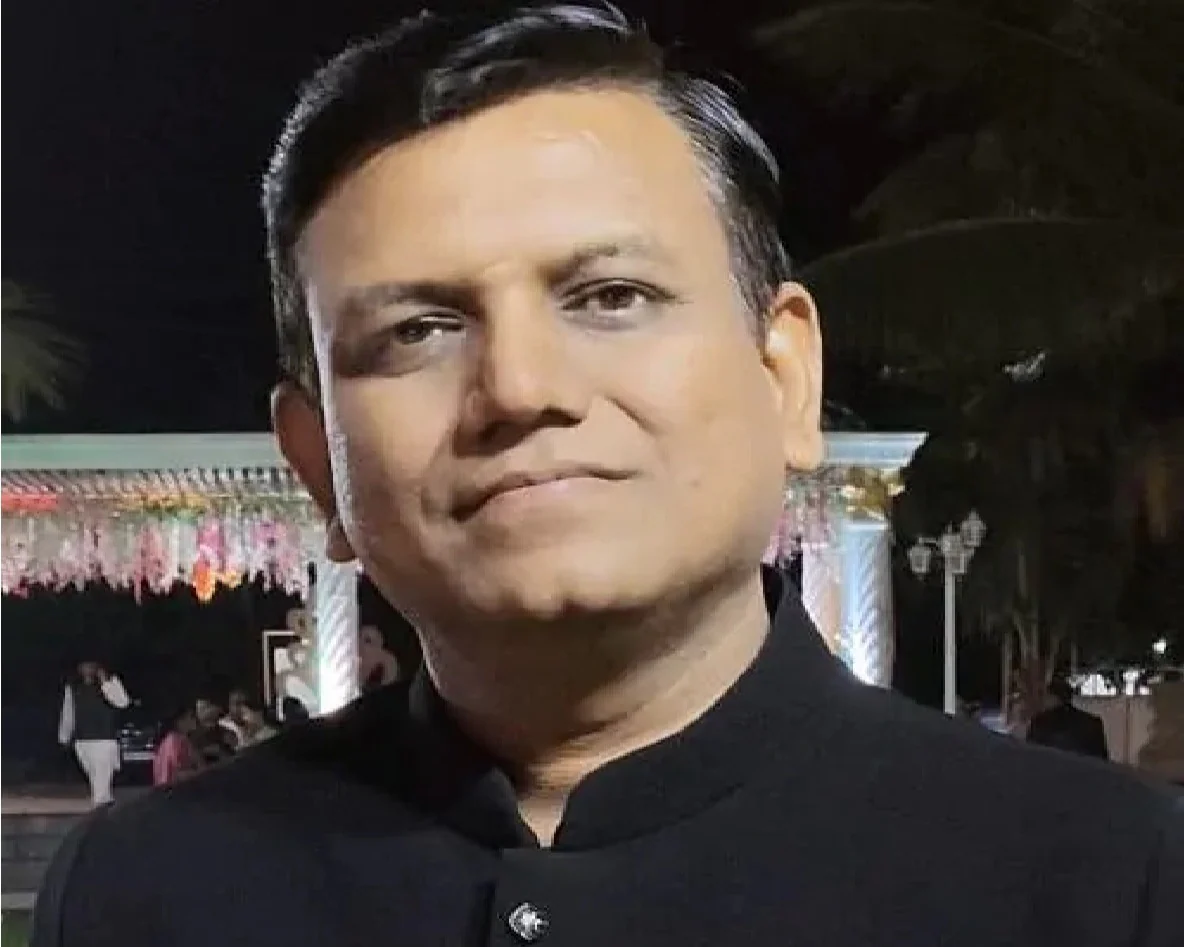
Anil Agarwal
Founder
 Doctor
Dr. Kiran Jaiswal
BAMS, CCH, CGO
 Cardiology
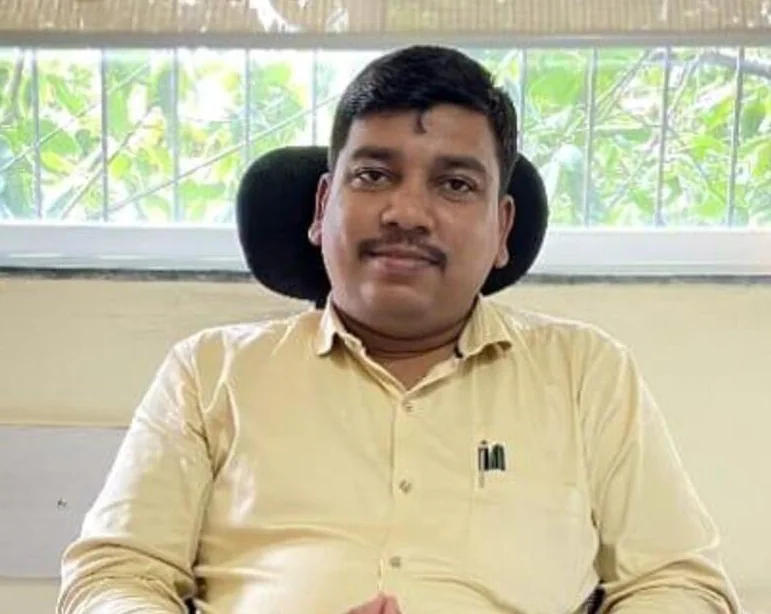
Dr. Sabiha Kasim Shaikh
BHMS – Non-Invasive Cardiology
 Doctor
Dr. Akshay Thakur
BAMS
 Nutrition
Mr. Vivek Singh Sengar
Clinical Nutritionist & Health Expert
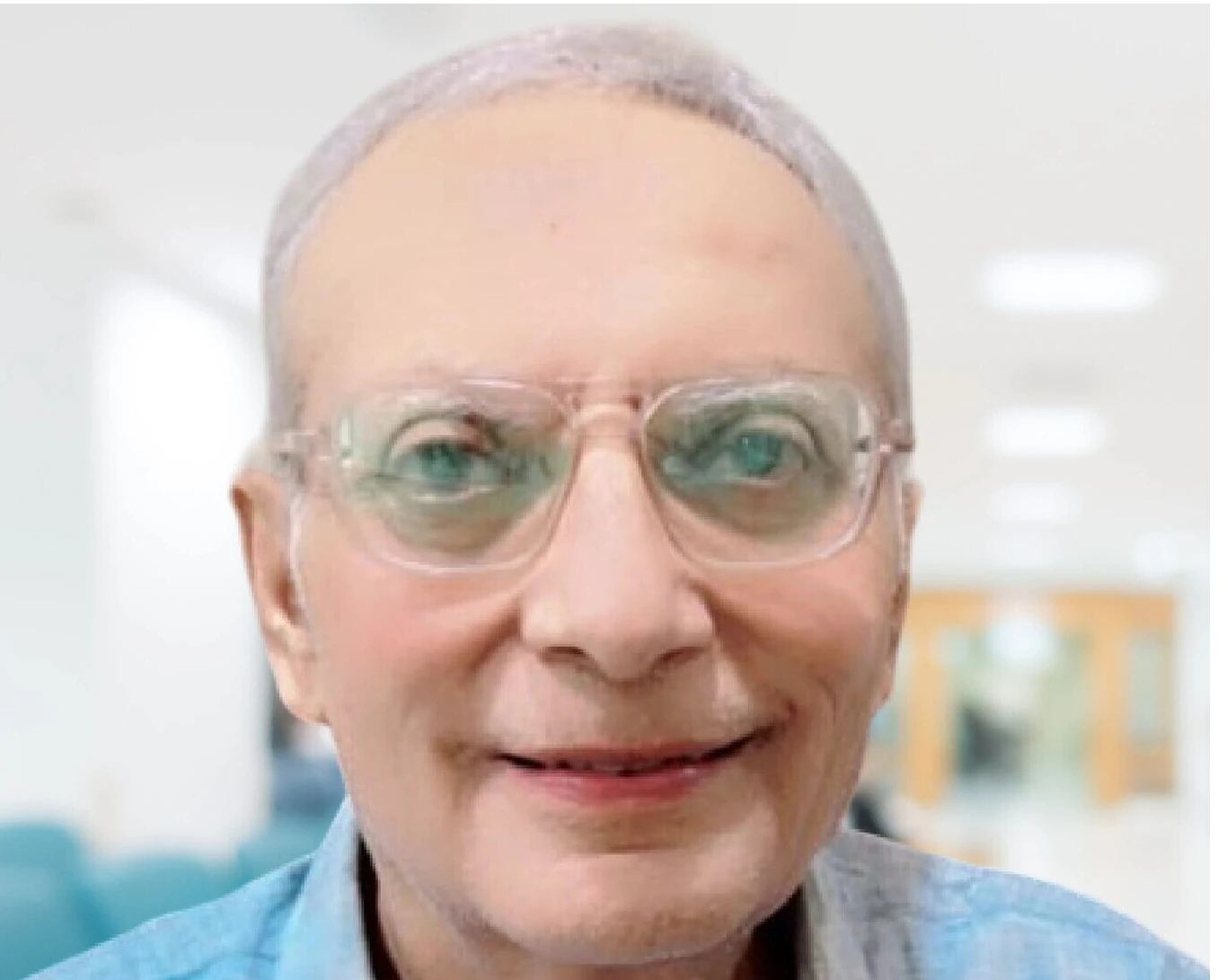 Specialist
Dr. Sudhir Bagga
MBBS, MD, ABIHM
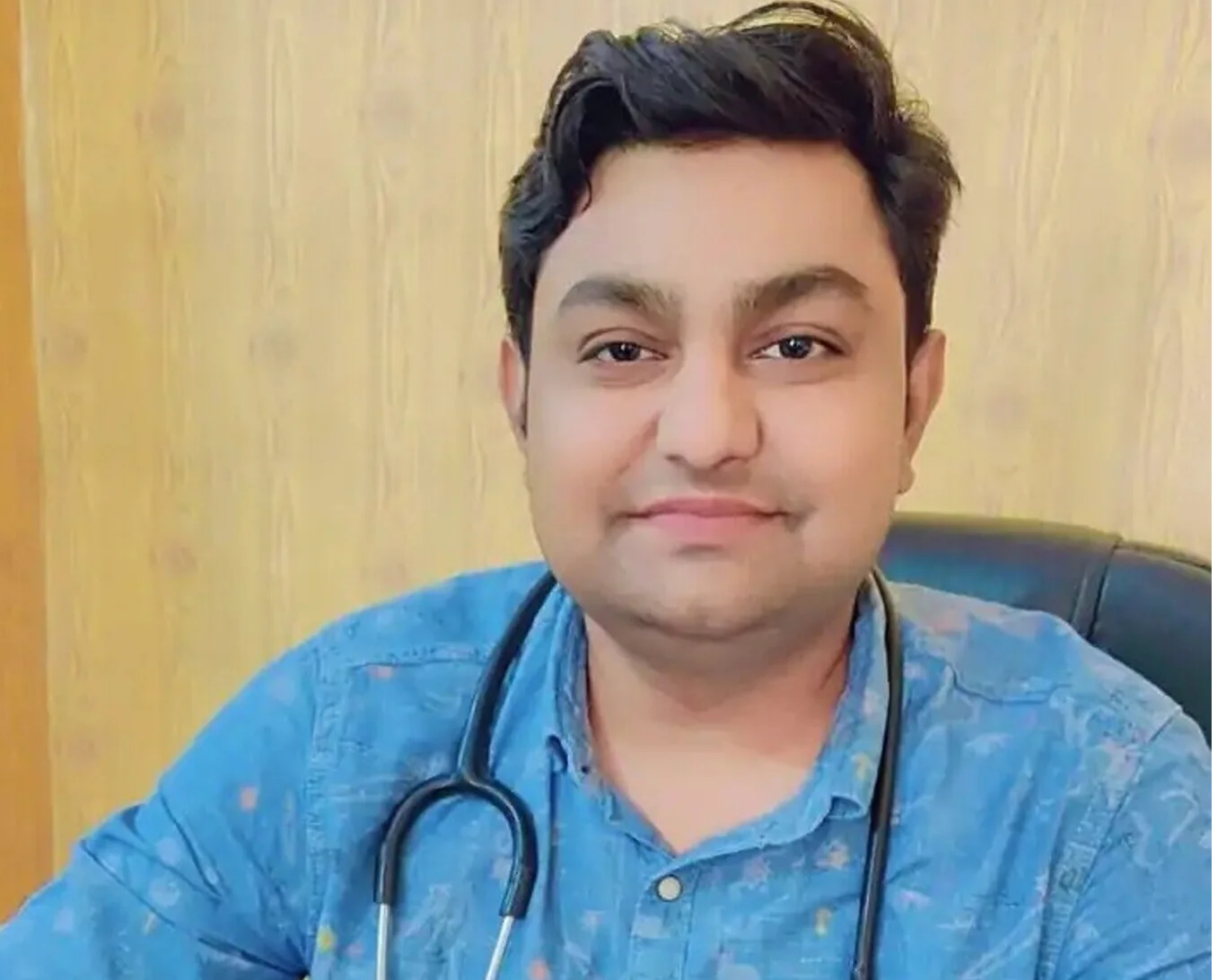 Medicine
Dr. Satendra Kumar
MD Medicine, FICC, ACCD-EASD
 Therapy
Mr. Amar Vishwasrao
Ayurvedic Panchkarma Therapist
 Critical Care
Miss Sakshi Gamare
Staff Nurse – Critical & Cardiac Care
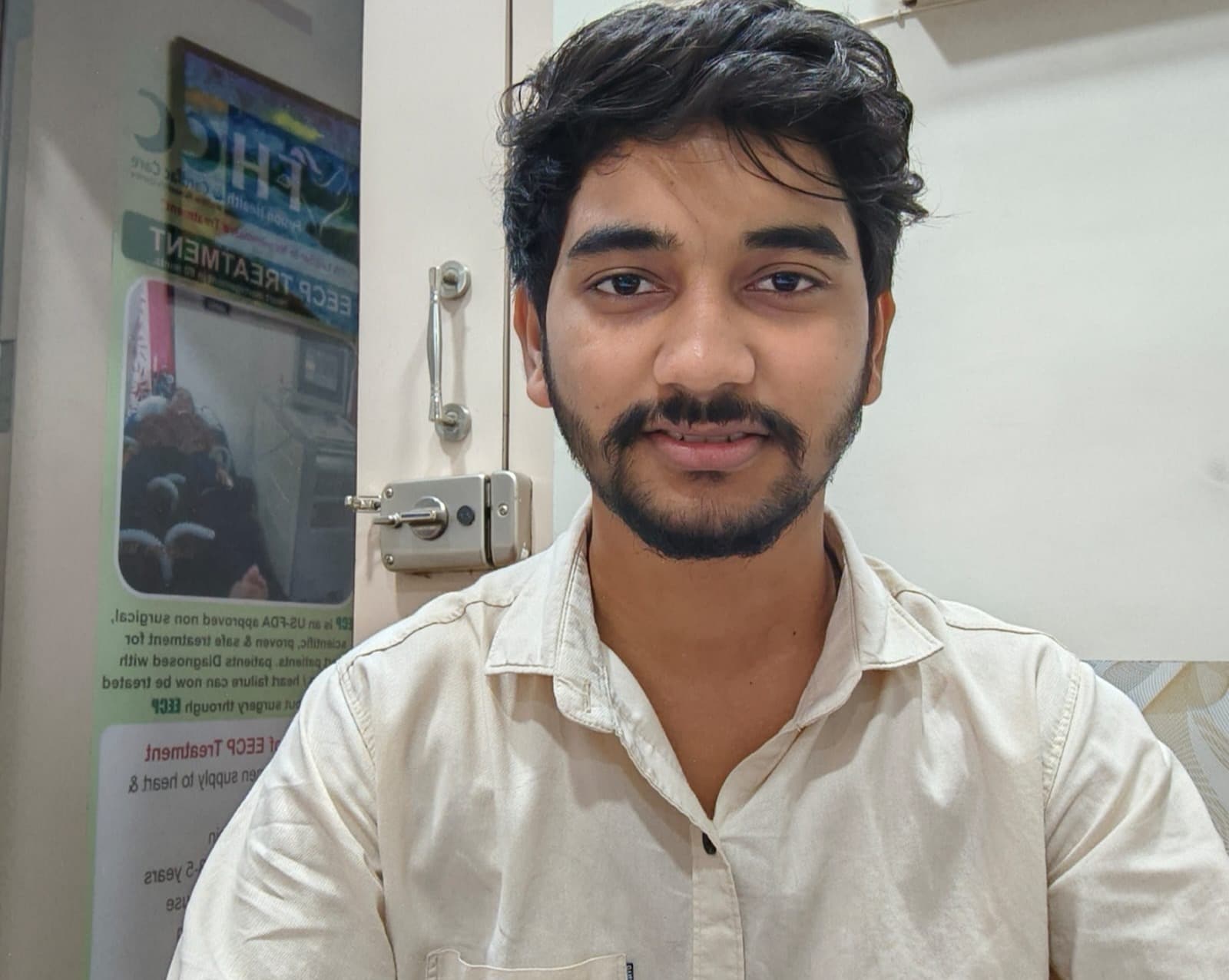 Media
Media
Mr. Kunjal Tambade
Digital Media Executive – Healthcare
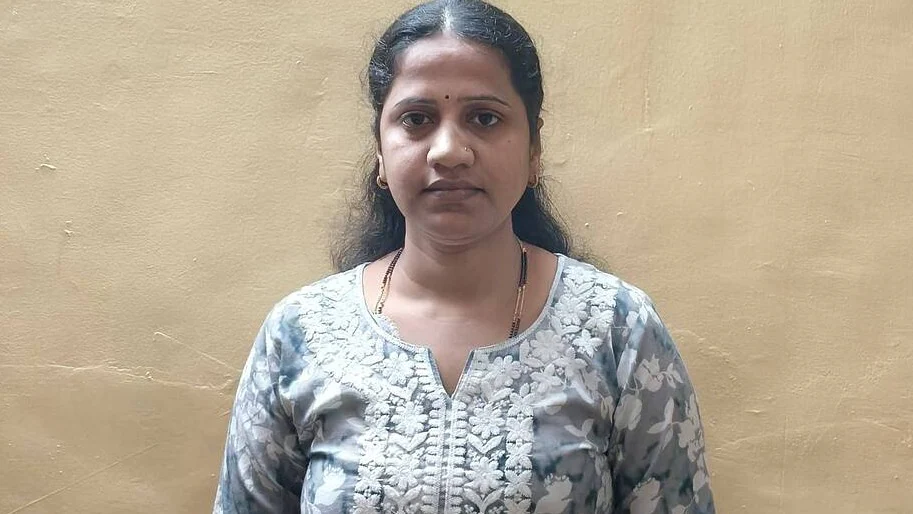 Wellness
Mrs. Vedika Dike
Ayurvedic Therapist